


Outdoor Cat Winter Rest Zones: Safe, Warm Yard Designs That Actually Work

Outdoor cats can struggle in freezing weather, and design mistakes in shelter and fencing are a big reason why many do not survive harsh winters. Did you know that straw-filled shelters as small as 12 x 18 x 12 inches can keep a single cat significantly warmer than the outside air if the space is windproof and elevated?
Key Takeaways
| Question | Answer |
|---|---|
| How do I keep outdoor cats safe in winter? | Combine insulated, straw-filled shelters with a secure yard so cats can access rest zones without roaming into traffic or open fields. Weather-ready fencing such as the kits in the Cat-Proof Fence Kits collection helps define a safe perimeter. |
| What size should a winter cat shelter be? | Single-cat shelters should be at least 12 x 18 x 12 inches, and around 24 x 24 x 18 inches can house 3 to 4 cats. Compact spaces hold warmth better in cold climates. |
| How can I stop cats escaping snowy yards? | Use a physical containment system along your fence line, such as a 3.7 metre starter kit like the 3.7 Metre Cat-Proof Fence Kit (DIY), then scale up as needed. |
| What is the best bedding for outdoor cat shelters? | Use straw, not hay or blankets. Straw repels moisture and traps warm air, which helps cats stay dry in snow and sleet. |
| How do I plan a winter-safe cat yard? | First measure your boundary accurately with tips from How to Measure Your Yard, then design windbreaks, raised shelters, and covered paths inside that footprint. |
| Can I install winter-ready fencing myself? | Yes. Oscillot kits are designed as DIY systems for fences at least 1.8 metres tall, with detailed steps in the Installation Guide. |
| Do I need accessories for winter maintenance? | Keeping parts in good condition matters for safety. Essential spares like the Axle Pin help ensure the containment system runs smoothly through freeze–thaw cycles. |
Understanding Winter Rest Zones for Outdoor Cats
When we talk about winter rest zones, we mean a combination of insulated micro-shelters, secure fencing, and protected routes that let cats move, hide, and sleep without exposure to wind and predators. We design our guidance around real-world constraints like snow depth, ice on surfaces, and reduced daylight, because those factors change how cats use outdoor space.
We also focus on containment, because a warm shelter is only useful if the cat can reliably reach it without crossing busy roads or neighboring properties. That is where cat-proof perimeter systems work together with your winter shelters.

Planning Your Yard Layout for Cold-Climate Cat Comfort
Good winter rest zones start with a clear map of your yard and fence line so you know where to place shelters, feeding stations, and windbreaks. We recommend walking the perimeter and noting low spots that collect water, gaps under gates, and exposed corners that funnel wind.
Once you understand the footprint, you can group shelters and raised platforms near solid fences or walls, which already act as natural windbreaks. Then you can decide where a cat-proof fence system will best lock in safety.
Measure Before You Build or Fence
Accurate measurements help you choose the right kit lengths and avoid cold gaps in your perimeter. Short kits, for example, are ideal for closing small open segments between buildings, while longer runs suit large gardens or shared courtyards.
You can translate those measurements directly into fence kit choices later, which keeps winter planning organized and avoids last-minute hardware runs in bad weather.
Insulated Cat Shelters: Size, Bedding, and Placement
A winter rest zone always needs at least one fully enclosed, insulated shelter that blocks wind on all sides and above. Single-cat shelters should be at least 12 x 18 x 12 inches, and multi-cat shelters around 24 x 24 x 18 inches can safely hold 3 to 4 cats without wasting heat.
Inside, we always recommend straw instead of hay or blankets, because straw does not hold moisture and keeps pockets of warm air around the cat's body. Small entrances, ideally 5 to 6 centimetres across, reduce heat loss and keep out larger animals.
Raising and Orienting Your Shelter
Place shelters on blocks or pallets so they sit off the frozen ground, which reduces moisture and drafts from snow melt. Face the entrance away from prevailing winter winds, usually toward a wall or fence, to keep the inside microclimate stable.
Group several shelters within a contained yard so timid cats can choose distance from others while still staying inside your safe perimeter.
A practical 5-step guide to creating sheltered outdoor rest zones for cats in cold climates. Learn how to design windproof, insulated spaces that keep feline friends safe and comfortable.
Designing Windproof, Escape-Proof Perimeters With Oscillot
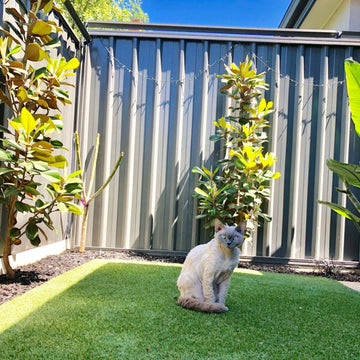
Winter rest zones are only as safe as the perimeter around them. We use cat-proof fence toppers to keep cats inside the protected zone so they do not wander into icy streets or open farmland when temperatures drop.
Oscillot paddles sit along the top of existing fences and rotate if a cat tries to climb over, which prevents escapes without harming the cat. In winter, this also reduces the chance that a cat gets stranded on a frozen wall or in a neighbor's unfenced yard.
Choosing the Right Fence Kit Length for Your Yard
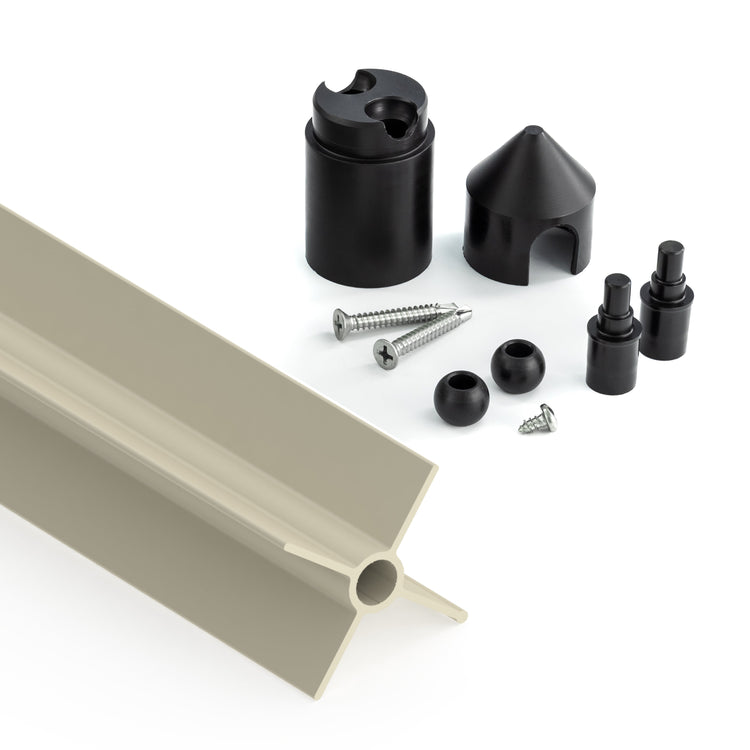
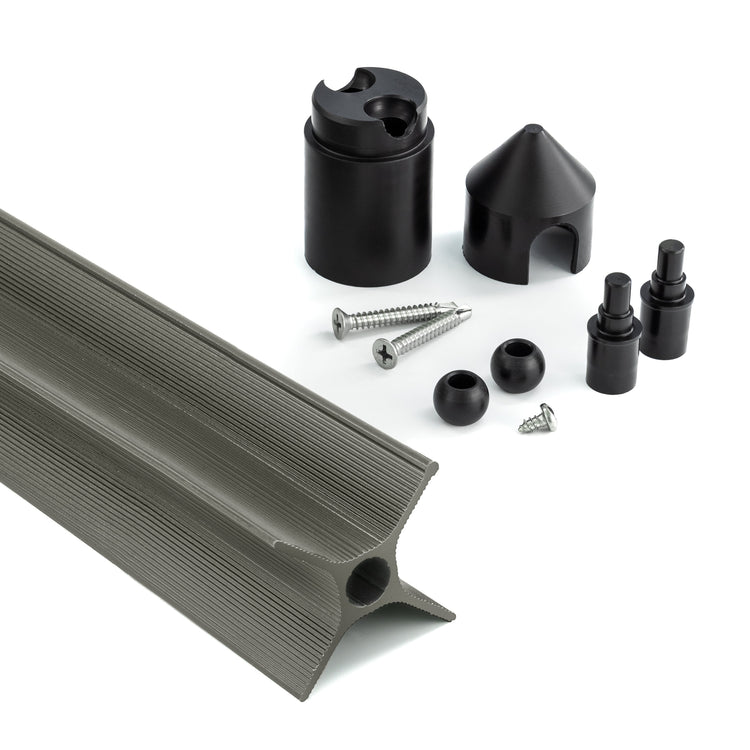
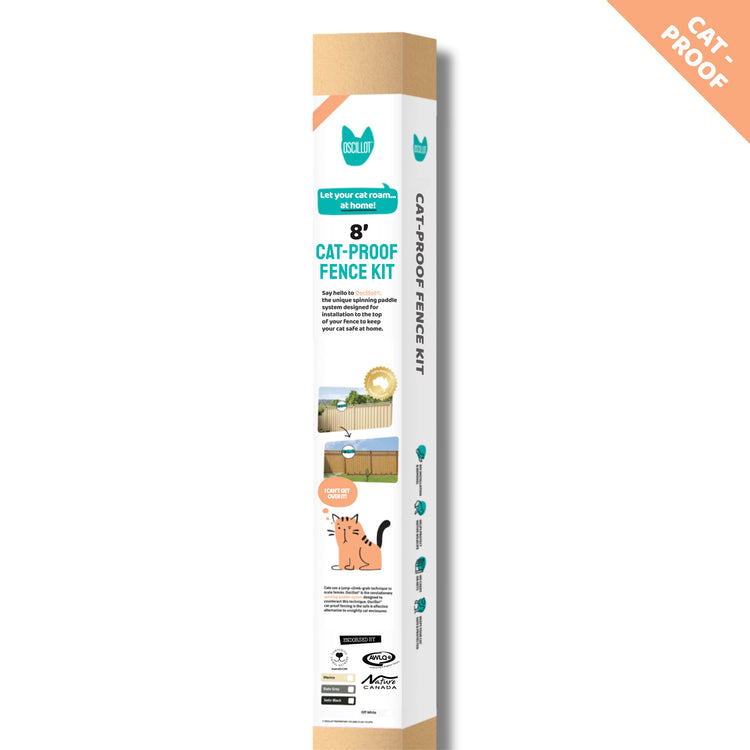
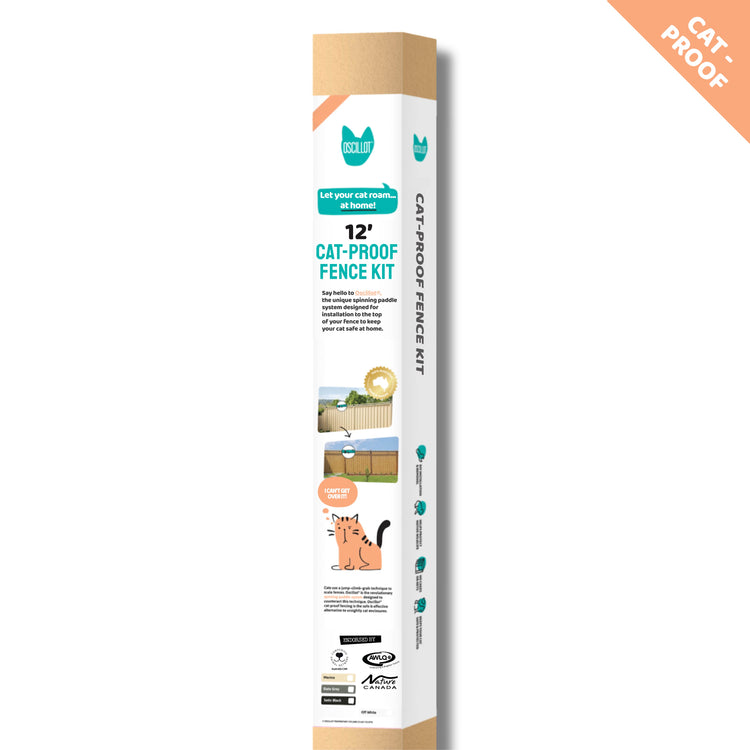
Oscillot offers a wide range of kit lengths so you can match your fence exactly, from small side yards to large rural gardens. For example, the 2.5 Metre Cat-Proof Fence Kit starts around 64.00 EUR, and lengths scale up to a 92.9 Metre Cat-Proof Fence Kit at around 1943.00 EUR for very large properties.
These kits were originally designed for metal fences but now work with timber, masonry, vinyl, and chain-link, which is useful if your winter yard includes mixed materials or outbuildings.
Oscillot Cat-Proof Fence Kits: Building a Safe Winter Yard
Our cat-proof fence kits give you a predictable way to secure the boundary around winter shelters. The range covers small, medium, and very large yards, so you can scale safety as your project grows.
All DIY kits are designed for fences at least 1.8 metres high, which also helps block wind and drifting snow from your rest zones. You only need basic tools, so you can often complete the perimeter before the first hard freeze.
Comparing Kit Lengths and Typical Winter Use Cases
| Kit Length | Approx. Price (EUR) | Best For Winter Use |
|---|---|---|
| 3.7 Metre Cat-Proof Fence Kit | 88.00 | Closing off a small side yard with 1–2 shelters. |
| 12.4 Metre Cat-Proof Fence Kit | 288.00 | Wrapping a townhouse garden or shared courtyard rest zone. |
| 31 Metre Cat-Proof Fence Kit | 680.00 | Detached homes with multiple shelter clusters and feeding points. |
| 62 Metre Cat-Proof Fence Kit | 1295.00 | Large properties or rescue setups with several winter yard segments. |
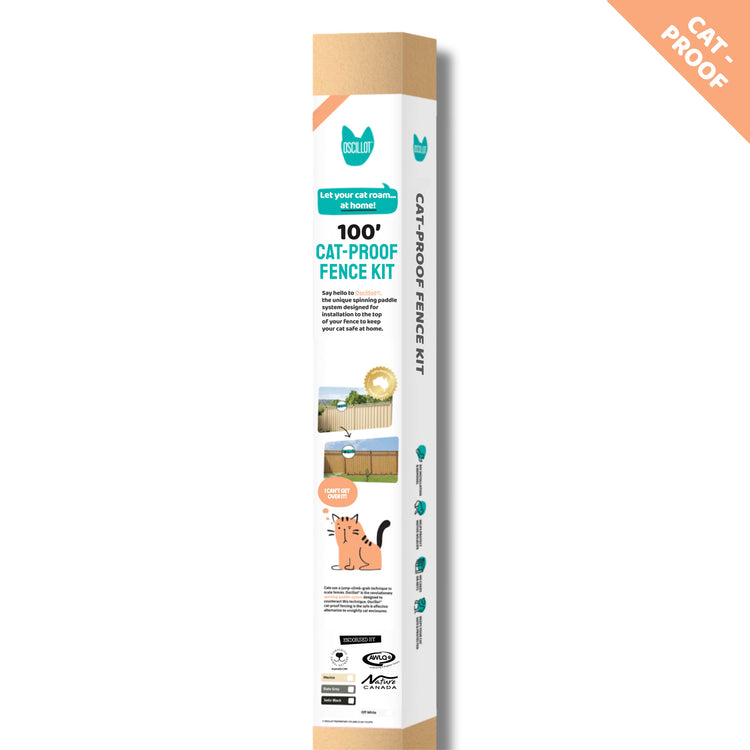
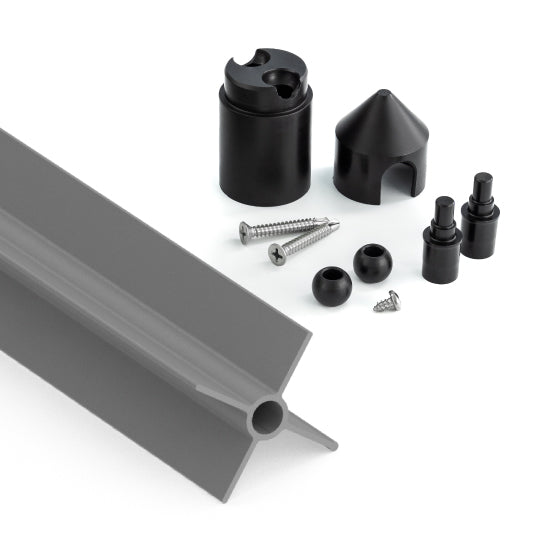
Sizes like the 31 Metre Cat-Proof Fence Kit give good coverage for many suburban gardens, and longer runs like the 62 Metre Cat-Proof Fence Kit can enclose more complex layouts. You can also combine lengths if your winter design changes over time.
Winter-Safe Tree Guards and Vertical Escape Points
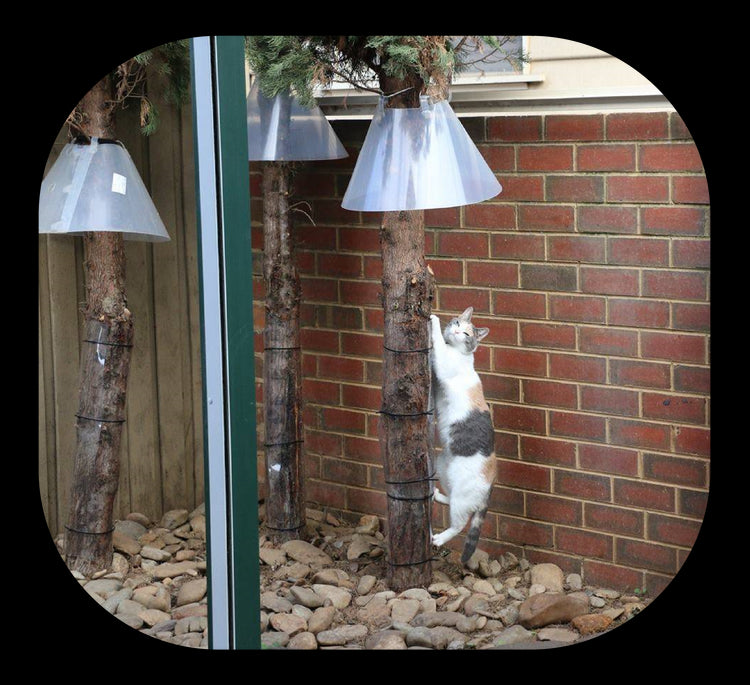
Trees, pergolas, and posts can become escape routes in winter because snow drifts create natural ramps that reach branches or fence tops. We recommend treating vertical structures as part of your winter design, not as an afterthought.
Tree guards stop cats from climbing to overhanging branches that reach outside your safe yard. In deep snow climates, this can be the difference between a cat returning to its shelter or getting stuck beyond the fence in freezing conditions.
Using Oscillot Tree Guards in Cold Climates
The Oscillot Cat Tree Guard is designed to wrap around trunks and create a smooth, unclimbable surface below the canopy. In winter rest zones, this lets you keep trees for shade and enrichment without losing control of your perimeter.
We suggest installing tree guards before snow season, so you can test the configuration while the ground is still clear and adjust positions if needed.
DIY Installation Tips for Cold-Weather Fence Setups
Oscillot systems are designed for DIY installation, but winter adds conditions like frozen posts, shorter workdays, and icy ladders. We always advise planning installation for a dry, above-freezing window when possible.
Key steps include checking that your fence is at least 1.8 metres tall, ensuring brackets are fixed firmly into solid material, and confirming that paddles rotate freely even when temperatures drop.
Using the European Winter Installation Guide
We have a dedicated European guide that covers how to install cat-proof fence kits in winter, from handling tools with gloves to dealing with snow build-up at fence bases. It also discusses how to keep cats safe during installation phases when parts of the perimeter might be open.
Following a clear sequence allows you to secure critical sections first, like near roads, then work around the rest of the yard while your shelters are already available.
Creating Stress-Free Winter Zones for Shy or Skittish Cats
Many outdoor cats are cautious around people and new structures, especially in winter when sounds carry farther and food routines change. We design rest zones with multiple hiding options so cats can choose distance and height while staying inside a secure boundary.
Low shelters, under-fence tunnels, and quiet corners near solid walls help skittish cats relax enough to use the space regularly. The more predictable the environment, the more likely they are to return to their warm shelter each night.
Using Visual Barriers and Shelter Clusters
Visual barriers like timber fence panels or hedge lines reduce stress by shielding cats from street activity and dogs. We also group shelters in small clusters, not one large communal structure, so timid cats can avoid more dominant individuals but still benefit from the same protected yard.
Cat-proof fence toppers support this by removing the need for noisy or visually imposing enclosures, which keeps the winter zone calm and open while still safe.

Maintaining Fence Systems and Shelters Through Freeze–Thaw Cycles
Winter yards need maintenance so paddles spin freely, shelters stay dry, and entrances remain clear of snow. We recommend doing quick weekly checks, even in deep winter, to remove ice from brackets and confirm that cats can still reach their rest zones.
Small parts like axle pins support smooth paddle rotation, which is vital when cold metal tightens and wind loads change. Replacing worn or lost parts before winter prevents failures in the middle of a storm.
Key Maintenance Points for a Winter-Proof System
- Inspect all brackets and screws, especially on timber fences that expand and contract.
- Brush snow and ice away from paddle contact points so they can rotate freely.
- Check shelters for moisture, replace damp straw, and clear entrances after heavy snow.
Having a few spare components on hand keeps your winter rest zone reliable for the whole season. This is particularly important for multi-cat setups or rescue support yards.


Budgeting and Selecting the Right Kit Mix for Your Climate
Designing winter rest zones is easier when you match your budget to clear priorities, like securing the boundary first, then adding extra enrichment later. Fence kits vary in price, so we suggest starting with the minimum length that fully encloses your shelter area, then expanding as needed.
For a small garden, a 3.7 Metre Cat-Proof Fence Kit at around 88.00 EUR might cover a vulnerable gap near a driveway. Larger suburban yards often use 12.4 or 18.6 metre kits, while farms and rescue sites benefit from 31 metre and longer systems.
Example Budget Scenarios
- Starter winter yard: One compact shelter, a short fence kit to close off a side entrance, and straw bedding.
- Full-family yard: Several shelters, a 24.8 or 31 metre kit for the main perimeter, and one or two tree guards.
- Rescue or colony setup: Multiple shelter clusters, long kits from 37.2 to 62 metres or more, plus spare parts for mid-winter maintenance.
This stepwise approach lets you start protecting cats before you complete every planned upgrade, which is important when winter is approaching quickly.
Conclusion
Designing winter rest zones for outdoor cats means thinking about warmth, safety, and movement as one integrated system. Insulated shelters, straw bedding, elevated bases, and small entrances protect cats from wind and moisture, while cat-proof fencing keeps them inside the safe zone.
By planning your yard layout, choosing the right Oscillot fence kits and tree guards, and committing to simple winter maintenance, you create an outdoor space that works with the season instead of against it. The result is a sheltered, secure environment where cats can rest, explore, and return to warmth every single day of winter.