


Annual Oscillot System Maintenance: Complete Seasonal Checklist

Annual Oscillot System Maintenance: Complete Seasonal Checklist
Keeping Your Investment Protected Year-Round
Your Oscillot® cat-proof fence system is engineered for exceptional durability and longevity. Unlike traditional fencing or cage-based systems, Oscillot's mechanical spinning-paddle technology requires minimal upkeep—but strategic seasonal care will extend your system's lifespan, maintain escape-proof effectiveness, and prevent costly repairs before they become necessary. This comprehensive guide walks you through every maintenance task, explains why each matters, and provides detailed checklists for every season.
The remarkable truth about Oscillot maintenance is that it's dramatically simpler than competing containment systems. No electricity to manage, no batteries to replace, no moving parts requiring constant lubrication. Yet seasonal attention ensures your system performs flawlessly for 20, 30, or even 40 years—outlasting your property's original fencing by decades.
Understanding Your System: What Requires Maintenance and Why
Your Oscillot system consists of several components that work together to create escape-proof containment:
- Paddle assemblies: Rotating components that prevent climbing by spinning when contacted
- Bearing systems: Allow paddles to rotate freely; require debris-free operation
- Bracket assemblies: Structural supports holding paddles in correct orientation
- Posts and fasteners: Support structure; can loosen due to temperature cycling
- Axle pins: Connectors between paddle components; wear with extended use
Each component requires different maintenance attention based on seasonal challenges in your climate.
Spring Maintenance: Renewal After Winter
Spring Mission: Restore Full Function After Winter Stress
Winter's freeze-thaw cycles, ice accumulation, and salt exposure create conditions that test your system's resilience. Spring is your opportunity to identify and address winter damage before the intense summer period when your cats are most active outdoors.
Detailed Spring Inspection Protocol
Visual Inspection (1 hour): Walk your entire fence line carefully, examining:
- Ice buildup on paddle assemblies—gently brush away accumulated ice without forcing
- Salt residue on components, especially in coastal properties—rinse with fresh water
- Corrosion marks on brackets, posts, or fasteners
- Debris accumulation: fallen branches, leaves, dirt that settled over winter
- Visible damage: cracks, breaks, bent components
Mechanical Testing (30 minutes): Ensure everything moves freely:
- Manually rotate every paddle—should spin freely without grinding or resistance
- Check bracket tightness—slight wiggle is normal; movement exceeding 1cm indicates loosening
- Inspect fasteners—visible rust on bolts suggests corrosion that may require replacement
- Test gate operation—hinges should open/close smoothly without binding
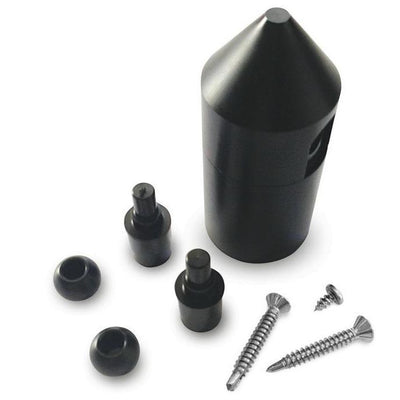
Protective Components Check: If you've installed Cat Tree Guards, verify they remain securely fastened. Winter wind can loosen mounting hardware. Replace any guards showing significant degradation or damage.
Replacement Recommendation: Dual Knuckle Post Kit - €15.99 — Replace if freeze-thaw cycling has caused visible cracking or loosening.
Summer Care: Peak Usage Season Management
Summer Mission: Support Intensive Use While Managing Growth
Summer brings peak cat activity, intense sun exposure, and aggressive vegetation growth. Your system experiences maximum stress as escape-prone cats test boundaries daily under optimal jumping/climbing conditions.
Summer Maintenance Tasks
Vegetation Management (Monthly): Summer's rapid plant growth creates escape opportunities:
- 3-foot clear zone maintenance: Trim tree branches and shrubs to maintain 90cm minimum clearance from fence line
- Climbing aid removal: Remove any new vegetation that provides jumping assists or climbing routes
- Weed growth: Cut down tall weeds and grasses that might allow cats to reach fence height more easily
- Fence-adjacent plants: Prune plants touching the fence that could facilitate climbing
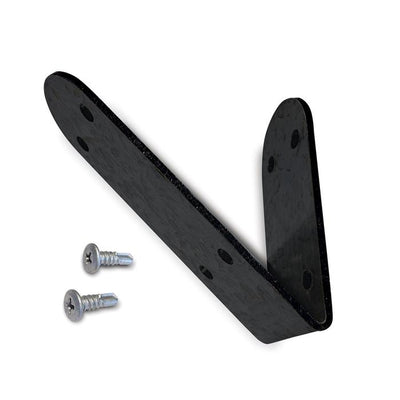
Hardware Tightening (Every 6 weeks): Summer heat causes metal expansion and contraction:
- Check all Brackets—heat can loosen fasteners significantly
- Test Axle Pins for tightness—heat cycles can cause slight movement
- Verify post fasteners—tighten if any loosening is detected
- Inspect gate hardware—hinges, locks, and fasteners require summer attention
Bearing Lubrication (If Needed): If paddles begin showing sluggish rotation despite cleanliness, apply minimal silicone-based lubricant. Never use WD-40 or heavy oils, which attract dirt.
Component Replacement: Shop Replacement Parts — If Ball bearings or Axle Pins show wear, replace before autumn arrives. Summer is ideal for maintenance before intense fall usage.
Autumn Preparation: Storm and Debris Readiness
Autumn Mission: Prepare for Winter While Managing Seasonal Debris
Autumn brings fall storms, aggressive leaf drop, and weather pattern changes. Your system must be hardened against wind, ice, and debris accumulation before winter arrives.
Autumn Maintenance Strategy
Weekly Debris Management (September-November): Falling leaves are autumn's primary challenge:
- Paddle assembly cleaning: Remove accumulated leaves from paddle tops—accumulation reduces rotation efficiency and adds weight stress
- Bearing area clearing: Ensure bearing housings remain debris-free for smooth operation
- Fence base cleanup: Remove leaves piling against fence bottom (creates moisture problems and hide rodent entry points)
- Gutter clearing: If system is near gutters or roof overhangs, ensure water drainage is unobstructed
Component Degradation Assessment: Autumn is ideal for replacing worn components before winter stress:
- Inspect plastic paddle components for cracking or brittleness—plastic becomes more fragile in cold
- Check Axle Pins for corrosion or wear—replacement now prevents winter failures
- Verify Bracket integrity—autumn winds stress structural connections
- Assess Post tightness—ground settling during dry autumn months can create loosening
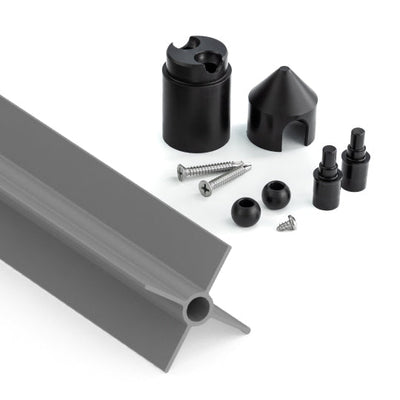
Storm Readiness Check: Before autumn storms arrive:
- Verify all fasteners are extremely tight—storm winds are unforgiving
- Inspect connection points between fence sections—stress concentrates here in wind
- Check gate latching mechanisms—storm winds can force gates open
- Secure any loose components that could become projectiles in high wind
Part Recommendations: Order Replacement Axle Pins (€2.79+) and Brackets (€3.00) now before winter.
Winter Protection: Cold Climate Challenges
Winter Mission: Prevent Ice Damage and Salt Corrosion
Winter is when proper maintenance prevents expensive failures. Ice accumulation, freeze-thaw cycling, de-icing salt, and cold-induced material brittleness all threaten system integrity.
Winter Maintenance Details
Ice Management (After Heavy Snow): Never allow ice to accumulate on paddle assemblies:
- Gentle brushing: Use soft brush or broom to remove snow/ice—never force removal
- Timing: Remove ice within 24 hours of snowfall—accumulated ice becomes increasingly difficult to safely remove
- De-icing caution: Never use salt or chemical de-icers on paddle assemblies—these cause corrosion and damage seals
- Heat application: Never use heat guns or high-pressure water to remove ice—thermal shock can crack components
Salt Exposure Protection (Coastal and Road-Salt Areas): De-icing salt degrades components:
- Post-storm rinse: After road salt exposure (if property is near treated roads), rinse entire system with fresh water
- Bearing care: Pay special attention to bearing assemblies—salt corrosion impedes rotation
- Fastener inspection: Check bolts and fasteners frequently—salt accelerates corrosion
- Protective coating: Consider light silicone spray on fasteners for additional salt protection (coastal areas only)
Cold Temperature Checks (Monthly): Winter cold creates unique challenges:
- Manual bearing test: Gently rotate paddles by hand—they should move freely even in cold
- Lubrication needs: Cold thickens lubricants; if paddles feel sluggish, wipe existing lubricant and reapply appropriate cold-weather lubricant
- Fastener loosening: Metal contracts in cold—recheck all fasteners monthly, particularly Axle Pins and Brackets
- Water intrusion: Ensure bearing housings have good drainage—standing water freezes and expands, damaging seals
Water Drainage Verification: Winter moisture is winter's greatest threat:
- Ensure all bearing drainage holes are unobstructed
- Check that water doesn't accumulate around post bases
- Verify that ice or snow doesn't block bearing ventilation
- If water accumulates in bearing area, drain and dry carefully
Monthly Inspection Checklist: Year-Round Essential Maintenance
Perform These Checks Every Single Month, Regardless of Season:
- Paddle rotation test: Manually rotate every paddle to confirm smooth, free operation without grinding or resistance
- Fastening hardware: Ensure all Brackets, Posts, and Axle Pins are secure—any wiggle exceeding 1cm suggests loosening
- Debris removal: Clear leaves, dirt, sand, and accumulated material from paddle assemblies and bearing areas
- Visual inspection: Look for cracks, breaks, corrosion, or discoloration
- Gate operation: Test gate locks and arched gate mechanisms for smooth, secure operation
- Documentation: Photograph your system monthly—creates valuable records if issues develop
Repair Identification: When to Replace Components
Replace These Components If:
- Paddle: Cracked, broken, or showing significant discoloration; rotation is stiff despite cleaning
- Axle Pin: Visibly corroded, broken, or bent; bearing assembly no longer rotates smoothly
- Bracket: Cracked, bent more than 5mm, or fastening holes are stripped
- Post: Cracked, split, or showing significant corrosion; base is loose despite tight fastening
- Fastener: Rusted through, broken head, or unable to tighten without spinning
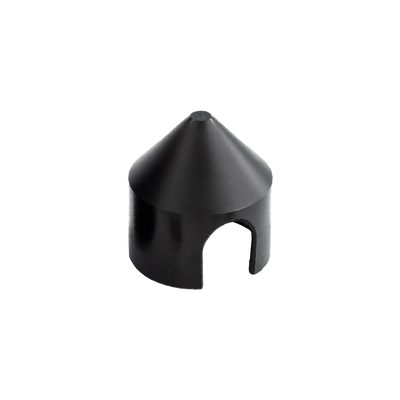
- Post Kit Cap: Cracked, missing, or no longer protective; bearing housing is exposed to weather
Replacement Parts and Emergency Repairs
Should you identify damage during seasonal inspection, Oscillot provides rapid replacement part availability:
- Post Kit Cap - €3.69 — Protective covering for bearing assemblies
- Dual Knuckle Post Kit - €15.99 — Complete bearing assembly replacement
- Cat Paddle Set - €24.00 — Four-foot paddle assembly replacement
- Axle Pin (€2.79+), Ball (€2.39), Post (€4.69), Bracket (€3.00) — Individual components
- Cat Tree Guard - €25.99 each — Replacement protective guards
Emergency Repair Process: If component failure occurs mid-season, contact Oscillot support with photos. Most emergency replacements ship within 5-7 business days, allowing temporary workarounds if needed.
Advanced Maintenance: Extended System Life
Photography Documentation Program
Maintain a photographic record of your system:
- Take photos from the same angles every 6 months
- Compare photos to identify subtle degradation before it becomes a problem
- Photograph any repairs or component replacements
- Store photos digitally with timestamps for warranty claim documentation
Maintenance Journal
Record all maintenance activities:
- Date and description of every inspection
- Components cleaned, tightened, or replaced
- Any issues identified and actions taken
- Weather conditions (extreme cold, salt exposure, storms)
This journal documents warranty-qualifying maintenance and proves you've maintained the system properly if warranty claims arise.
Your Warranty Protects Your Investment
Remember that all Oscillot systems include a 3-year manufacturer's warranty and 60-day money-back guarantee. Routine maintenance not only extends system lifespan but also maintains warranty validity. Document all maintenance activities, and don't hesitate to contact our team if you're uncertain about any component.
With strategic seasonal maintenance, your Oscillot cat-proof fence system will provide reliable, escape-proof protection for your feline family for 20, 30, or even 40 years to come—far outlasting traditional fencing and providing unmatched reliability throughout the system's exceptional lifespan.