


How to Support Social Cat Behavior With Safe Outdoor Spaces

Despite their reputation for independence, cats are inherently social creatures with complex behavioral needs that flourish when given appropriate environmental opportunities. Understanding and supporting these social behaviors through well-designed, secure outdoor spaces can dramatically improve feline wellbeing, reduce behavioral problems, and create harmonious multi-cat households.

Secure outdoor environments enable natural social behaviors to flourish
This comprehensive guide explores how outdoor spaces influence cat social behavior and provides practical strategies for creating environments that support positive feline interactions while maintaining absolute safety.
Understanding Cat Social Structures
Contrary to popular belief, cats aren't solitary animals. They form complex social structures when resources and space allow. Research shows that domestic cats naturally organize into colonies with defined hierarchies, preferred companions, and social bonds that rival those of more obviously social species.

Key Social Behaviors in Cats:
- Allogrooming: Mutual grooming between bonded cats strengthens social bonds
- Allorubbing: Rubbing against each other transfers scent and reinforces group identity
- Social play: Chase games, wrestling, and joint hunting practice maintain relationships
- Resource sharing: Comfortable cats share feeding areas, water sources, and resting spots
- Synchronized activity: Bonded cats often engage in simultaneous behaviors
- Nose touching: Friendly greeting behavior between familiar cats
- Communal resting: Sleeping near or touching demonstrates trust and affiliation
How Confined Spaces Limit Social Behavior
Indoor-only environments, especially in multi-cat households, can inadvertently suppress natural social behaviors while amplifying conflict triggers:

Spatial Stress Factors:
- Forced proximity: Cats unable to maintain preferred distances experience chronic stress
- Limited escape routes: Inability to avoid confrontation escalates minor conflicts
- Resource bottlenecks: Competition for litter boxes, food bowls, and water increases tension
- Territorial overlap: Insufficient space prevents establishment of individual territories
- Boredom and frustration: Lack of stimulation increases irritability and conflict
- Reduced exercise: Physical inactivity correlates with behavioral problems
Behavioral Consequences:
- Increased aggression between cats
- Stress-related health issues
- Inappropriate elimination outside litter boxes
- Excessive vocalization
- Destructive behaviors
- Over-grooming or self-mutilation
- Social withdrawal or hiding
Expanding available territory through secure outdoor access addresses many of these factors simultaneously, creating conditions where natural social behaviors can flourish.
Designing Outdoor Spaces to Support Social Behavior
The foundation of any cat-friendly outdoor space is absolute security. Without reliable containment, the stress of escape attempts and owner anxiety undermines any behavioral benefits.

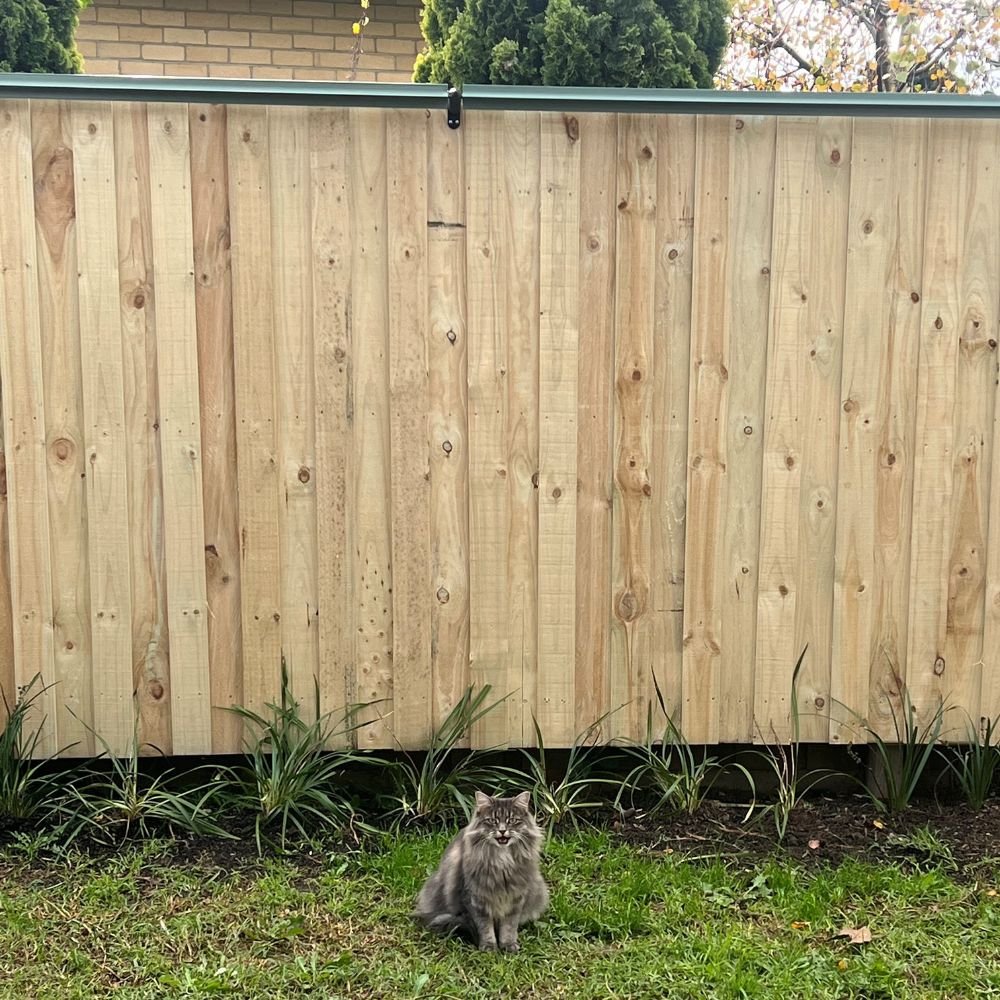
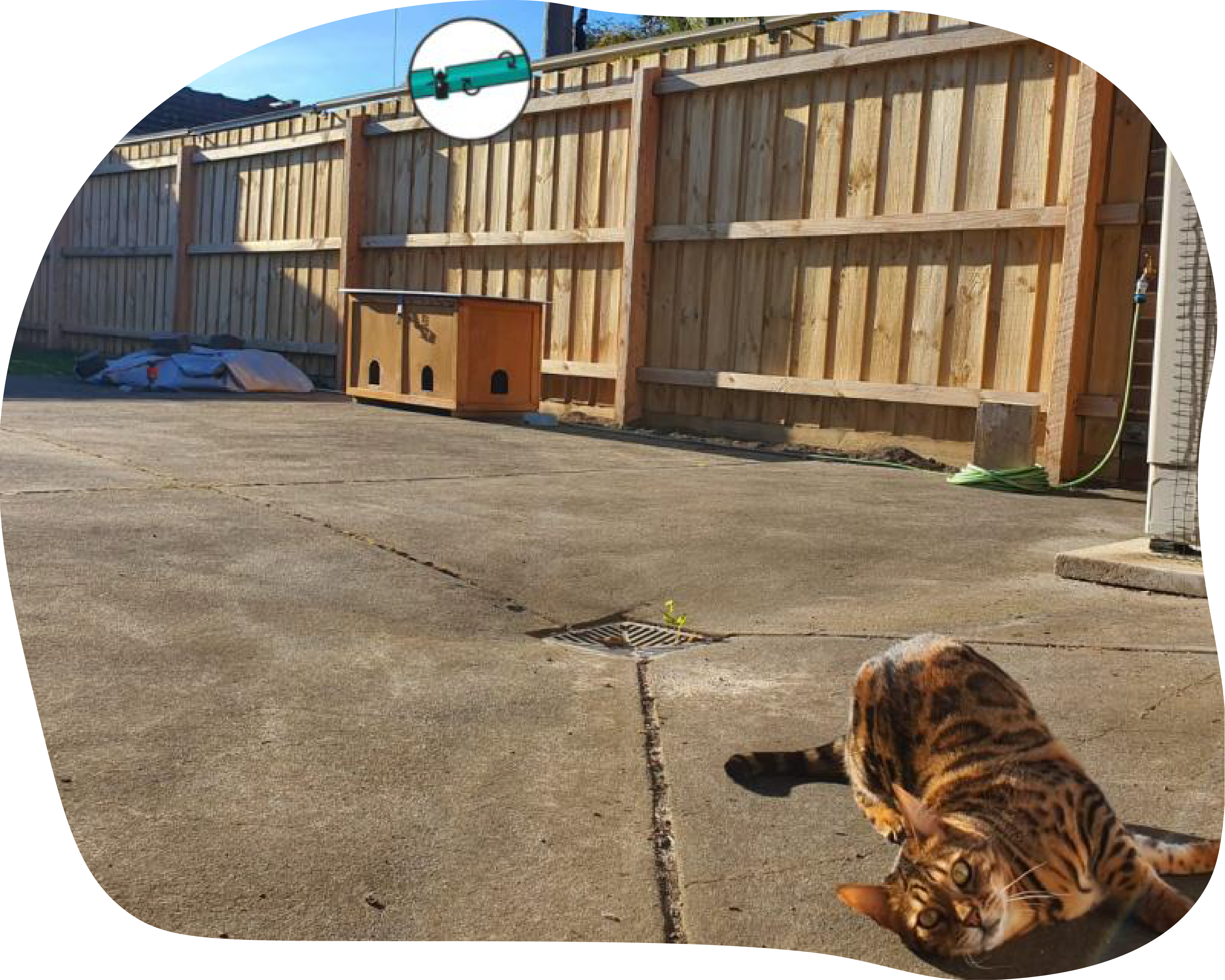
Premium containment systems provide the security foundation for behavioral success
The Oscillot® Advantage for Social Cats:
The Oscillot® cat-proof fence system enables social behavior support in several crucial ways:
Behavioral Benefits of Oscillot® Installation:
- Silent operation: No startling sounds that disrupt natural behaviors or trigger stress responses
- Visual transparency: Cats can see beyond their territory, satisfying curiosity without escape temptation
- No physical barriers: Unlike netting or cages, cats experience outdoor space without constrictive feeling
- Reliable containment: Consistent security allows cats to relax and engage in social behaviors
- No negative reinforcement: Unlike electric systems, creates no fear associations with outdoor time
- Works for all cats simultaneously: Multiple cats can be near fence line without system interference

Creating Multi-Level Territory
Vertical space multiplies available territory without expanding horizontal square footage. In social groups, height creates additional territories that reduce competition and enable hierarchy expression.

Vertical Space Elements:
- Cat shelves: Install at varying heights along fences and walls
- Climbing structures: Secure cat trees and platforms (positioned away from fence tops)
- Elevated walkways: Create pathways connecting different areas
- High observation posts: Position perches with commanding views
- Multi-level lounging areas: Stack platforms to accommodate multiple cats
- Escape ledges: High spaces where subordinate cats can retreat safely
Social Hierarchy and Height:
In cat social structures, higher positions often correlate with social status. By providing abundant vertical options, you allow natural hierarchy establishment without forcing competition for limited high spots. This reduces conflict while supporting healthy social organization.
Resource Distribution for Social Harmony
Proper resource distribution in outdoor spaces prevents competition-based conflicts and supports positive social interactions:

Essential Outdoor Resources:
1. Multiple Water Stations
- Position water bowls in at least 3-4 separate locations
- Include running water features (cats prefer moving water)
- Place stations in both sunny and shaded areas
- Ensure subordinate cats can access water without confronting dominant cats
- Use elevated and ground-level options for preference variety
2. Diverse Resting Areas
- Create 2-3 times as many resting spots as you have cats
- Vary locations (sun, shade, high, low, open, enclosed)
- Include heated pads for cold weather
- Provide both social sleeping areas (large platforms) and individual nooks
- Ensure multiple entry/exit points so cats aren't trapped in dead ends
3. Scratching and Scent Marking Stations
- Install scratching posts throughout the space
- Include horizontal and vertical scratching surfaces
- Position near entry points where cats naturally mark territory
- Provide catnip or silvervine-treated areas
- Allow cats to establish scent territories through marking
4. Shelter and Weather Protection
- Multiple covered areas for rain protection
- Shade structures for hot weather
- Windbreaks for comfort
- Optional heated shelters for winter
- Ensure no single cat can block access to weather protection

Creating Social Zones vs. Private Territories
Effective outdoor design includes both communal spaces that encourage positive interaction and private territories where cats can retreat:
Social Interaction Zones:
- Open observation areas: Large platforms where multiple cats can sit together watching bird activity
- Play spaces: Open areas encouraging chase games and joint activities
- Communal sunbathing spots: Warm, comfortable areas sized for multiple cats
- Feeding stations: If feeding outdoors, create abundant space preventing resource guarding
- Interactive enrichment: Puzzle feeders, hunting games that multiple cats can engage with
Private Territory Elements:
- Enclosed hideaways: Small structures or covered boxes for solo retreat
- Single-cat perches: High spots sized for individual use
- Dense vegetation screens: Cat-safe plants creating visual barriers between zones
- Corner territories: Define distinct areas using placement of structures
- Escape routes: Multiple pathways allowing conflict avoidance
The Escape Route Principle
Never create dead-end spaces where a cat can become cornered. Every resting spot, shelter, and territory should have at least two exit routes. This is especially critical for multi-cat households where subordinate individuals need confidence they can leave any situation without confrontation.
Introducing Multiple Cats to Shared Outdoor Space
Even well-bonded indoor cats may need gradual introduction to shared outdoor territory. The expanded space and novel environment can trigger territorial behaviors:

Gradual Introduction Protocol:
Week 1: Individual Explorations
- Allow each cat solo supervised outdoor time (30-minute sessions)
- Let individuals explore and establish scent marks without competition
- Observe where each cat naturally gravitates
- Note preferred resting spots and activity areas
- Ensure each cat experiences the Oscillot® system individually

Individual demonstrations ensure each cat understands the containment system
Week 2: Paired Introductions
- Allow bonded pairs or friendly cats outdoor time together
- Start with 45-minute supervised sessions
- Watch for positive social behaviors (grooming, playing, resting near each other)
- Intervene if conflicts arise, separate temporarily
- Gradually increase session length
Week 3: Full Group Access
- Introduce entire cat family to outdoor space simultaneously
- Supervise closely for hierarchy establishment behaviors
- Allow cats to establish territories and social arrangements naturally
- Only intervene for serious aggression (hissing and posturing are normal)
- Ensure subordinate cats have escape options
Week 4+: Independent Access
- Transition to unsupervised outdoor time
- Install cat doors for continuous indoor-outdoor access
- Monitor from distance for behavioral issues
- Watch for cats self-regulating time outside
- Address any emerging conflicts through environmental modification
Enrichment Activities That Promote Social Behavior
Strategic enrichment transforms outdoor spaces from passive territories into dynamic environments that actively encourage positive social interactions:

Social Play Enrichment:
- Moving prey toys: Battery-operated toys that simulate hunting trigger cooperative chase behaviors
- Suspended toys: Dangling objects cats can bat together
- Puzzle feeders: Food-dispensing toys multiple cats can investigate simultaneously
- Bubble machines: Cats often engage in playful group bubble-chasing
- Grass patches: Fresh cat grass creates gathering spots
Environmental Enrichment:
- Bird feeders: Position for cat viewing (safely out of reach), creating shared entertainment
- Running water features: Fountains attract multiple cats for drinking and watching
- Safe plants: Cat-friendly vegetation (cat grass, catnip, cat thyme, cat mint)
- Sand or soil digging areas: Designated spots for natural digging behavior
- Scent trails: Occasionally create trails using catnip or silvervine that multiple cats can follow
Sensory Stimulation:
- Wind chimes: Gentle sounds create interest without stress
- Rotating toys: Regular introduction of new items prevents boredom
- Seasonal changes: Allow leaves, snow (supervised), and seasonal elements for variety
- Scent introduction: Bring outdoor scents (branches, leaves) into space regularly

Monitoring and Supporting Social Dynamics
Ongoing observation helps you identify both positive social development and emerging issues requiring intervention:
Positive Social Indicators:
- Cats choosing to rest near each other outdoors
- Mutual grooming sessions in outdoor spaces
- Joint play behaviors and chase games
- Relaxed body language when in proximity
- Sharing resources without conflict
- Synchronized activities (simultaneous sunbathing, joint exploration)
- Nose touches and friendly greetings
- Reduced indoor conflict after outdoor time
Potential Problem Indicators:
- One cat consistently blocking access to outdoors
- Certain cats avoiding outdoor time
- Increased aggression compared to indoor behavior
- Resource guarding in outdoor spaces
- One cat monopolizing preferred areas
- Stress behaviors (excessive grooming, hiding, vocalization)
- Elimination outside litter boxes after outdoor time
Environmental Modifications for Problem Solving:
- Add more vertical territory if hierarchy conflicts emerge
- Create additional escape routes if cats seem cornered
- Increase resource stations if competition observed
- Add visual barriers if cats need more private territories
- Install additional cat doors if access blocking occurs
- Modify enrichment if cats aren't engaging positively

Supporting Social Behavior Through Seasonal Changes
Maintaining social benefits requires adapting outdoor spaces to seasonal conditions:
Spring Adaptation:
- Trim new vegetation growth to maintain clear zones
- Add shade structures as days lengthen
- Increase water stations for warming weather
- Introduce fresh catnip and grass plantings
- Clean and refresh all resting areas
Summer Considerations:
- Ensure abundant shade availability
- Add cooling elements (ceramic tiles, cooling pads)
- Increase water station frequency
- Create misting areas for hot days
- Adjust outdoor access timing to cooler hours
Autumn Preparation:
- Add windbreaks for comfort
- Introduce heated resting pads
- Clear falling leaves regularly
- Weatherproof shelters and structures
- Ensure drainage for increased rainfall
Winter Maintenance:
- Activate heated shelter elements
- Clear snow from pathways and access points
- Ensure unfrozen water availability
- Create wind-protected areas
- Monitor outdoor time duration in extreme cold

Oscillot® All-Weather Reliability
The Oscillot® system maintains consistent performance through all seasons. Precision-machined components withstand dust, rain, snow, and temperature extremes without degradation. This reliability ensures cats can access outdoor spaces year-round, maintaining the behavioral benefits regardless of weather conditions.
Special Considerations for Different Social Groups
Bonded Pairs:
- Provide communal spaces sized for two cats
- Include individual retreat areas even for bonded cats
- Create parallel resources so cats can engage in synchronized activities
- Design spaces encouraging joint play and exploration
Mother and Kittens:
- Create secure "nursery" zones with enclosed shelters
- Ensure mother has elevated observation posts
- Provide age-appropriate exploration areas for kittens
- Design spaces that grow with kittens' developing abilities
- Maintain 1.8m fence height as kittens reach jumping age
Established Colonies:
- Design territory divisions reflecting existing hierarchy
- Provide abundant resources preventing competition
- Create multiple high-status positions (observation posts)
- Ensure subordinate cats have quality territories, not just "leftover" spaces
- Allow natural hierarchy expression through space design
Newly Introduced Cats:
- Maintain indoor introduction protocols before outdoor access
- Provide temporary territory divisions if needed
- Allow gradual integration into outdoor space
- Create "neutral" territories with no prior scent claims
- Monitor carefully for developing relationships
The Long-Term Behavioral Benefits
Secure outdoor access with properly designed social spaces creates measurable, long-lasting behavioral improvements:

Documented Benefits:
- Reduced aggression: Expanded territory decreases competition-based conflicts
- Lower stress levels: Ability to avoid confrontation and establish territories reduces chronic stress
- Improved physical condition: Increased exercise and environmental stimulation enhances physical wellbeing
- Enhanced mental stimulation: Outdoor sensory input prevents boredom and associated behavioral problems
- Stronger social bonds: Positive outdoor experiences create shared positive associations
- Natural behavior expression: Outdoor access allows hunting practice, climbing, and other natural behaviors
- Reduced inappropriate elimination: Lower stress and expanded territory decrease litter box issues
- Decreased destructive behavior: Appropriate outlets for energy and instincts reduce indoor destruction
Implementation: Getting Started
Ready to create an outdoor space that supports your cats' social behavior? Follow this implementation roadmap:

Phase 1: Security Foundation (Weeks 1-2)
- Measure your perimeter using the cat fence calculator
- Select appropriate cat-proof fence kit size
- Order Oscillot® system (free shipping over €700, currently 20% off)
- Repair fence damage and address structural issues
- Remove climbing aids and clear perimeter zones
- Install Oscillot® system following installation guide
Phase 2: Environmental Design (Weeks 3-4)
- Install vertical territory elements (shelves, platforms, cat trees)
- Create resource stations (water, shelter, scratching posts)
- Design both social and private zones
- Add enrichment elements (plants, toys, bird feeders)
- Ensure multiple escape routes throughout space
- Test all elements for safety and accessibility
Phase 3: Cat Introduction (Weeks 5-8)
- Individual cat explorations with Oscillot® demonstrations
- Paired introductions for bonded cats
- Full group supervised sessions
- Gradual transition to independent access
- Monitor social dynamics and adjust environment
- Document positive behavioral changes
Investment in Social Wellbeing
Creating outdoor spaces that support social behavior represents an investment in your cats' long-term wellbeing:
Complete Cost Breakdown:
- Oscillot® system: €40-€1,943 (one-time, based on perimeter size)
- Vertical elements: €100-€300 (cat shelves, trees, platforms)
- Resource stations: €50-€150 (water bowls, shelters, scratching posts)
- Enrichment items: €50-€200 (plants, toys, bird feeders)
- Total investment: €240-€2,593
Value returned:
- Decades of improved behavioral outcomes
- Reduced veterinary costs from stress-related issues
- Eliminated or reduced behavioral medication costs
- Prevention of rehoming due to behavioral problems
- Enhanced quality of life for your cat family
- Personal enjoyment of observing natural, positive behaviors
Success Stories: Social Transformation

More than 19,000 cat households worldwide have experienced the behavioral benefits of Oscillot-secured outdoor spaces. The system is endorsed by leading animal welfare organizations including Nature Canada, Animal Welfare League of Australia, and Animal Welfare League of Queensland.
Environmental Responsibility and Social Behavior
Secure outdoor containment protects native wildlife while supporting cat social behavior. This responsible approach benefits:

- Local bird and small mammal populations
- Ecosystem balance in your area
- Your cat family (contained cats live 8+ years longer)
- Neighbourhood relations
- Community animal welfare standards
Oscillot® enables cats to experience outdoor stimulation and social development without environmental impact, creating a win for both cats and wildlife.
Taking the Next Step
Supporting your cats' social behavior through secure outdoor spaces transforms their lives and enhances your enjoyment of your feline family:

Conclusion: Natural Behavior, Secure Environment
Cats are social creatures whose behavioral needs extend far beyond basic food, water, and shelter. By creating secure outdoor spaces that support natural social behaviors, you provide the environmental foundation for your cat family to thrive physically, mentally, and socially.
The combination of Oscillot's® proven containment technology, thoughtful environmental design, and understanding of feline social needs creates outdoor spaces where cats can express their full behavioral repertoire safely. This investment pays dividends in reduced conflict, enhanced wellbeing, stronger bonds between cats, and the joy of observing natural, positive social behaviors.
Whether you have a bonded pair, a growing cat family, or an established colony, secure outdoor access supported by proper environmental design transforms behavioral outcomes. Start planning your social behavior-supporting outdoor space today and discover the remarkable changes that emerge when cats have the territory, resources, and security to be their authentic selves.
For specific questions about multi-cat installations, behavioral considerations, or environmental design, visit oscillot.eu or contact the Oscillot® team directly.