

Choosing the Right Height for Large Property Lines in the EU: A Comprehensive Guide

Selecting the right fence height for large properties across the European Union means thinking about local rules, what you need, and what works best. Whether you want to keep pets in, have more privacy, or just mark where your property ends, knowing what's allowed in Europe is important. At Oscillot®, we make special fence add-ons that work for many different property owners throughout Europe.
| Key Takeaways |
|---|
|
In Europe, decisions about fence height come from both culture and rules that can be very different depending on where you live. Unlike some places where tall fences are normal, many European communities like lower boundaries that keep properties open while still showing where one yard ends and another begins. This comes from European values about community and shared spaces that have shaped how towns and cities look for hundreds of years.
Understanding EU Fence Height Regulations
Fence rules across Europe show how much the continent values community and open spaces. Unlike countries where people build tall fences for security, European rules usually focus on making neighborhoods look nice and feel connected. This idea goes back to how medieval towns were built and still shapes how modern rules work all over Europe.
In many EU countries, front yard fences are usually limited to 1-1.2 meters (about 3-4 feet) tall, while back and side fences can be up to 2 meters (6.5 feet). For example, in the Netherlands, front fences can only be 1 meter high, but decorative hedges can be 2 meters. These height restrictions keep neighborhoods looking open. In Germany, the "Nachbarrechtsgesetz" (Neighborhood Law) is different in each state but usually allows fences between 1.8-2 meters, with front fences limited to 1.2 meters to keep streets visible and looking nice.
Rules can be really different between EU countries and even between towns in the same country. Cities often have stricter rules than country areas, where farm needs might allow taller fences. Before putting up any fence on your European property, you should check with local officials about height limits and permits. In Spain, coastal areas and historic districts have very strict rules to protect views and historic buildings, while rural properties inland might have more freedom.
Cultural Influences on Fence Heights in Europe
Europeans think about property boundaries differently than people in other parts of the world. Many European cultures have a strong sense of community that affects how they mark property lines. Instead of building big walls, many European homeowners prefer small markers that keep spaces feeling open while still showing where their property is. You can see this from Italian villages to Swedish suburbs, where property lines often blend nicely with the surroundings.
This preference for lower fences comes from how Europe developed historically, with villages and towns built around shared spaces where people could interact. In France, rural property lines are often marked with hedges or low stone walls instead of tall fences. These natural boundaries show where property ends while making the landscape look nice. In Provence, traditional "pierre sèche" (dry stone) walls are rarely taller than one meter but have marked property lines for hundreds of years, showing how cultural practices can create boundaries without big barriers.
Even in cities, European neighborhoods are often places where people trust each other and respect symbolic boundaries without needing big physical barriers. This is important to think about when choosing fence systems for European properties, especially when balancing privacy needs with community feeling. In Denmark and Sweden, many suburban neighborhoods have properties with very small front boundaries, showing the Nordic emphasis on social equality and shared responsibility for public spaces. Understanding these cultural differences helps property owners choose boundary solutions that work well and fit in with their specific European location.
Practical Considerations for Large Properties
While culture and rules matter, practical needs also guide fence height decisions for large European properties. What you mainly want your fence to do will affect how tall it should be. Are you trying to keep pets in, mark boundaries, or have more privacy? Each purpose might need different heights while still following local rules. For big country estates in places like Tuscany or the French countryside, owners need to balance marking their property while keeping the beautiful views that make these areas special.
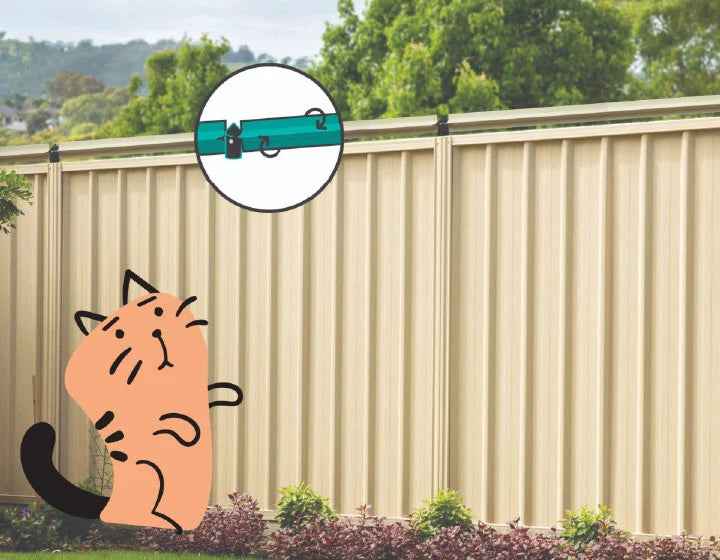
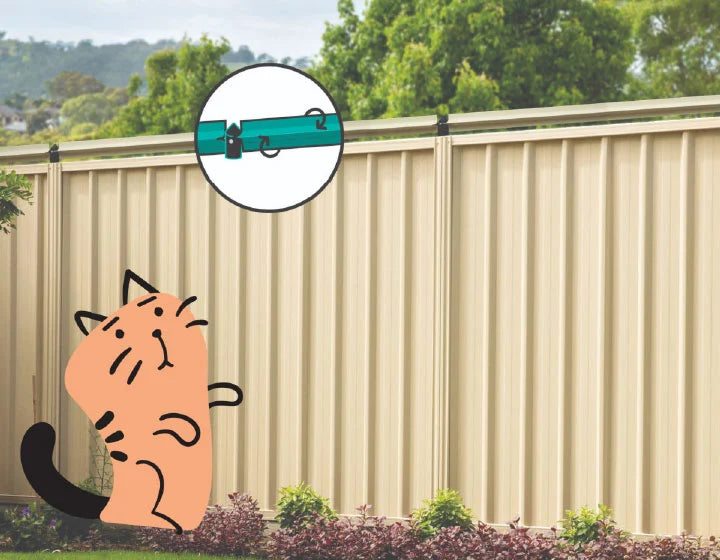
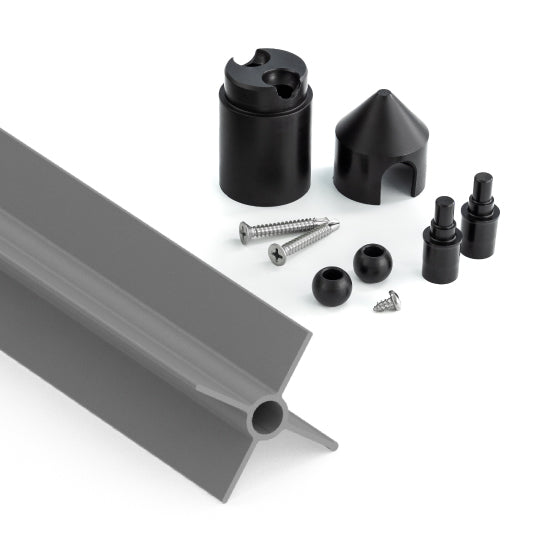
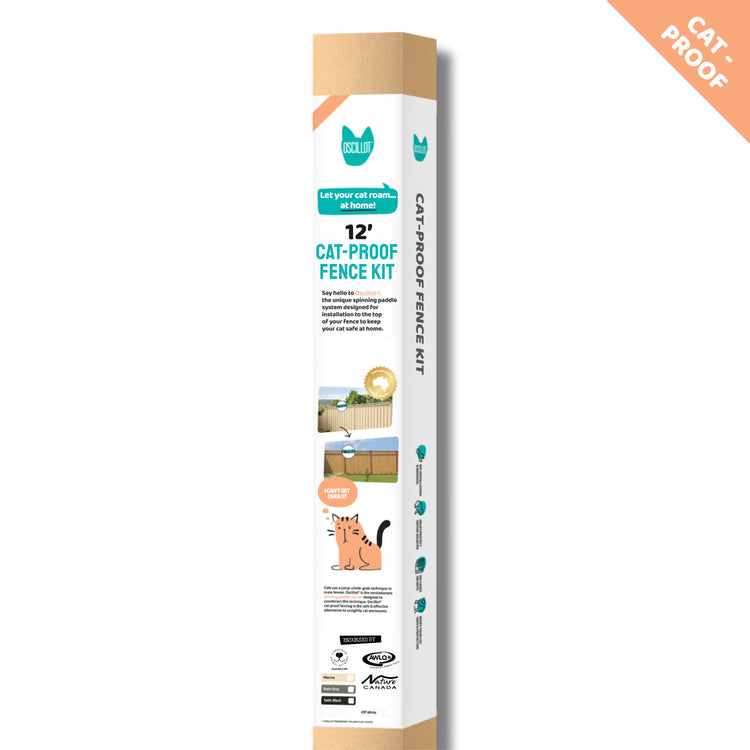
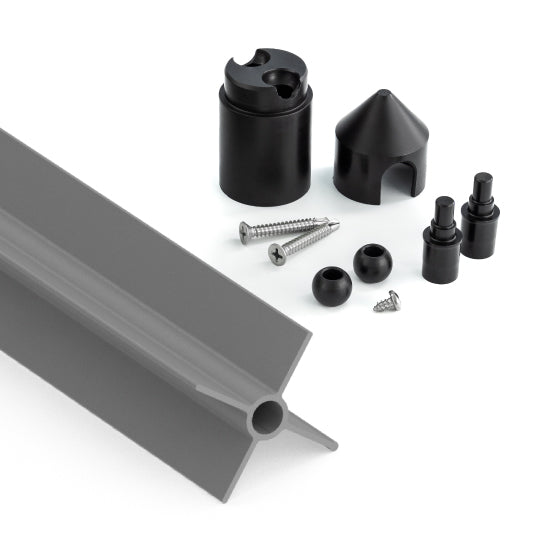
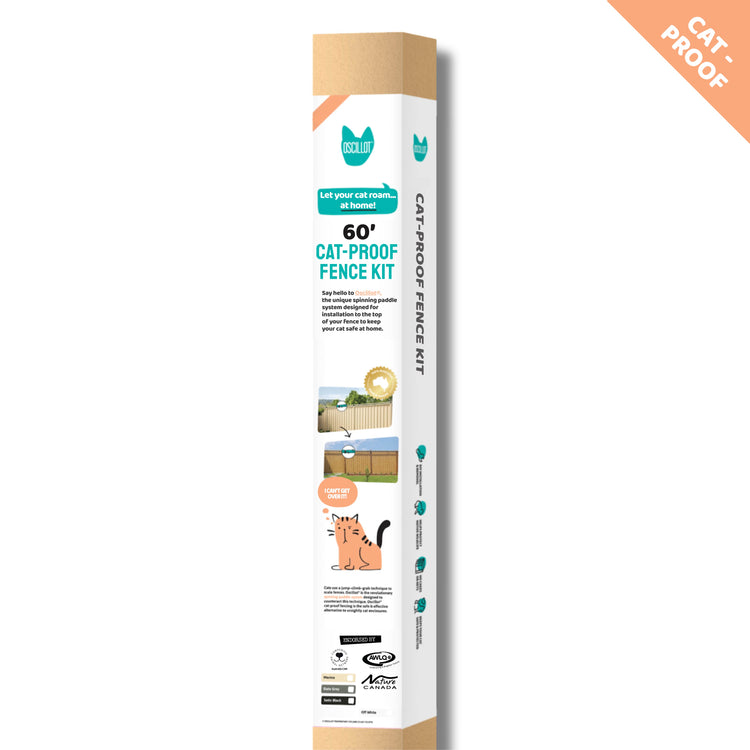
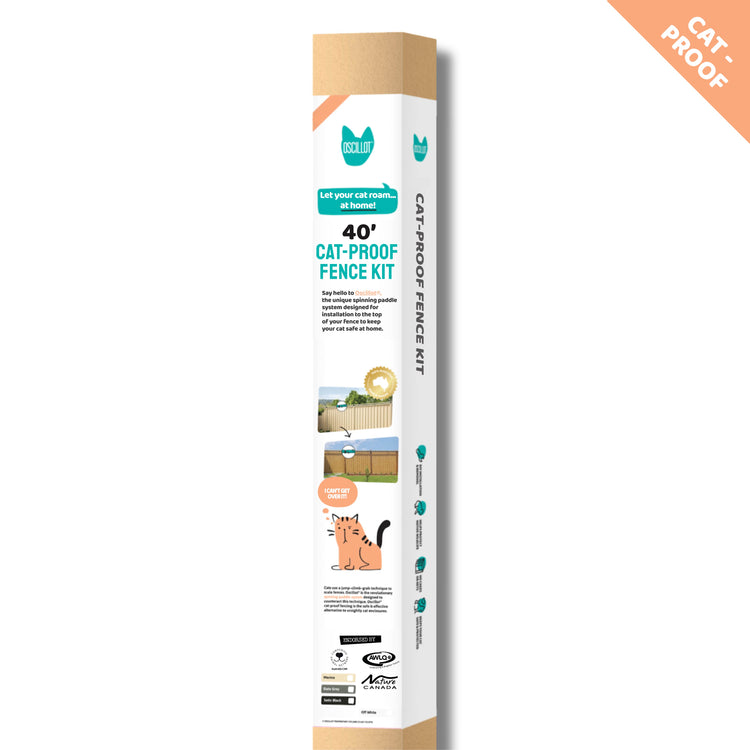
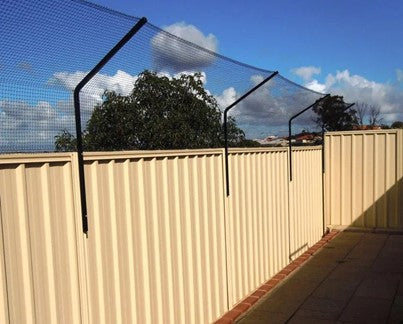
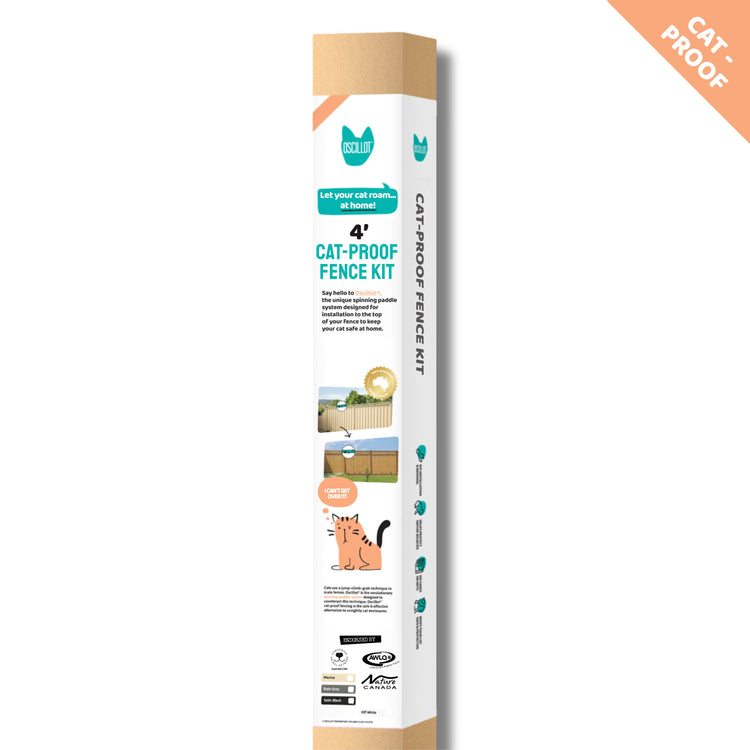
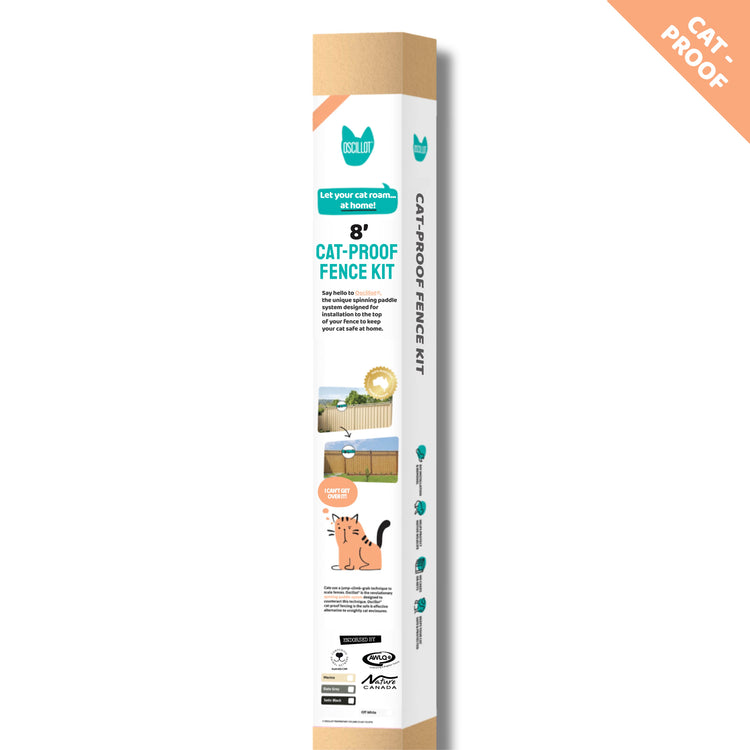
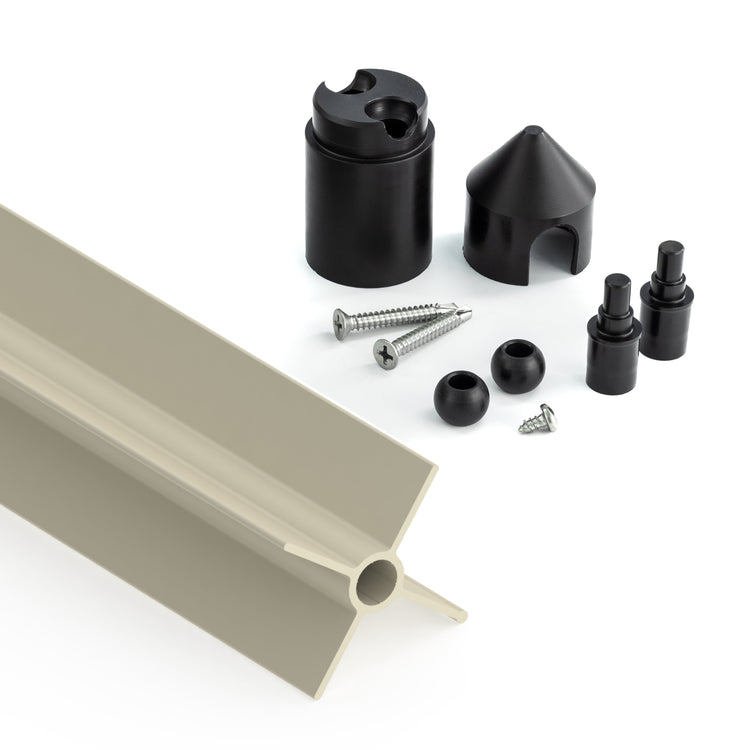
For keeping pets on large properties, normal fence heights might not be enough, especially for active or climbing animals. Our Oscillot® Cat-Proof Fence Kits work with existing fences of different heights, adding a barrier that stops cats from climbing over. This lets property owners keep their fences at the right height while making sure pets stay safely inside. The system's spinning paddles create a barrier cats can't climb over without making the fence taller, which is really useful for European properties where height limits might otherwise make it hard to keep pets in.
Large rural properties often have different needs than city or suburban lots. Farm properties often get exceptions from normal height limits to keep livestock safe. If your large property is used for farming, you might be allowed to install taller fences, though specific rules will be different depending on where you are. In countries like Ireland and Portugal, working farms can put up fences up to 2.5 meters tall for certain livestock, while nearby homes still have to follow standard height limits. For mixed-use properties common in rural Europe, understanding these differences can help create good boundaries for different parts of your land.
Adapting Fence Heights for Different Property Sections
Large properties often work best with different fence heights for different sections. Front boundaries facing streets usually have stricter height limits than side or back boundaries. This approach allows more privacy in backyards while keeping the front looking open and welcoming. In Belgium and the Netherlands, this is really common, with front garden boundaries rarely taller than 1 meter while back gardens may have fences up to 2 meters to create private outdoor living spaces.
For properties with hills or slopes, measuring fence height gets more complicated. In many European areas, fence height is measured from the lowest ground level, usually the neighbor's side if there's a difference in height. This means if your property is higher than the land next to it, your fence might need to be shorter when measured from the lower side. In mountainous parts of Austria or Switzerland, where sloped properties are common, understanding these measurement rules is really important when planning boundaries that will follow the rules while doing what you need them to do.
Corner properties have special challenges, as they often face stricter height limits to keep visibility clear for traffic safety. If your large property is on a corner, you might need different fence solutions for different parts of your property line, maybe using lower fences near intersections and taller options in less visible areas. In Germany and France, traffic visibility rules might limit corner property fences to as low as 0.8 meters within a certain distance from road intersections, regardless of what's normally allowed in the neighborhood. Working with local planning officials can help identify these specific requirements before you start installing anything.
Environmental Considerations for Fence Heights
The European Union is a world leader in protecting the environment, with policies that affect property development and boundaries. When choosing fence heights for large properties, think about environmental factors along with rules and practical needs. This fits with the EU's bigger goals for sustainability while creating better property boundaries. The European Green Deal and biodiversity plans now affect local planning decisions, with many towns looking at fence proposals not just for height but also for how they affect the environment.
In environmentally sensitive areas, fence height and design may have extra restrictions. Properties in natural or forested zones in France might have special rules for wildlife passage, like fences being raised 30cm off the ground with a maximum height of 1.2 meters. These rules aim to let wildlife move freely while still marking property lines. In parts of Spain and Portugal within Natura 2000 protected areas, fence heights and designs are strictly controlled to make sure they don't stop protected animals like the Iberian lynx or amphibians that need to move across property lines.
For properties near rivers or lakes, there may be specific setback rules affecting fence placement. In France, fences beside rivers must be at least 3.25 meters from the water to allow public access. These environmental rules show Europe's commitment to balancing private property rights with protecting nature and public access to natural resources. Similar rules exist throughout the EU, with countries like Sweden using "allemansrätten" (right of public access) principles that limit fence heights and placement near shorelines to ensure people can still access natural water bodies. When planning fence heights for waterfront properties, talking to local environmental officials can help navigate these special rules.
Material Selection Based on Height Requirements
The height of your property boundary affects what materials will work best for your fence. Taller fences need stronger support to handle wind and weather, especially on large properties where different sections might face different conditions. Understanding how height and materials work together is important for creating strong, effective boundaries. European weather varies a lot, from the strong Mistral winds in southern France to heavy snow in Alpine regions, making material selection really important for making sure fences last regardless of height.
For lower fences (1-1.2 meters) commonly used in front yards across Europe, you can use a wider range of materials, including decorative options like ornamental metal, picket fences, or low stone walls. These materials can clearly mark your property while keeping the open look preferred in many European communities. In Mediterranean countries, low stone walls topped with decorative ironwork are very popular as they match traditional architecture while providing effective boundaries without blocking views. In northern European countries, painted wooden picket fences at heights of 0.8-1 meter remain a traditional choice that defines space while maintaining neighborhood connections.
For taller boundaries (up to 2 meters) typically allowed in back and side yards, you'll need more substantial materials. Our Oscillot® fence systems are designed to work with existing fences of various materials and heights, adding effective pet containment without requiring complete fence replacement. This adaptability makes them ideal for large European properties with varying fence height requirements. For taller fences, materials like composite panels, substantial timber structures, or masonry walls provide the necessary stability while offering sound reduction and privacy benefits. In countries with stronger winds like coastal Portugal or the Netherlands, reinforced installation methods become increasingly important as fence height increases.
Navigating Permits and Approvals for Fence Heights
Understanding the permit and approval process for fence installation is essential for European property owners. While specific requirements vary by location, many places require formal approval for fences taller than standard height limits. Getting through this process properly can prevent costly changes or removals after installation. The paperwork can be really complicated in countries with multiple levels of government, such as Italy where national, regional, and local rules may all affect fence height permissions.
In many European countries, fences up to certain heights (typically 1-2 meters depending on location) may be considered "permitted development" that doesn't require formal planning permission. However, properties in conservation areas, near historic buildings, or in areas of outstanding natural beauty often face stricter rules regardless of fence height. In historic centers of cities like Prague, Vienna, or Barcelona, even modest fence heights may need heritage committee approval to make sure they match protected architectural environments. Property owners should always check local requirements before assuming standard exemptions apply to their specific location.
For fences that exceed standard height limits, a formal application process is typically required. In Ireland, property owners can seek a "Section 5" Declaration from their local council to determine whether a proposed fence height qualifies as exempted development. Similar processes exist across other EU member states, though specific requirements and application fees will vary. In Portugal, the "licença de obras" (construction license) process evaluates fence height proposals against local urban plans and neighborhood context, often requiring detailed drawings and material specifications. The approval timeline can range from a few weeks in smaller towns to several months in larger cities or areas with special designations.

Creative Solutions for Height Restrictions
When faced with height restrictions that limit normal fence options, creative alternatives can help European property owners achieve their privacy and security goals while following local rules. These solutions allow for effective property management without breaking height limits or needing special permits. Throughout Europe, clever approaches to property boundaries have developed that respect traditional height limits while addressing modern privacy and security concerns.
Natural boundaries like hedges, trees, or shrubs can provide extra height and privacy without the restrictions that apply to structural fences. In many European countries, green hedges are allowed to be taller than solid fences, especially in front yard areas. These living boundaries also offer environmental benefits and look nice. In the UK and Ireland, plants like beech or hornbeam can create dense privacy screens up to 3 meters tall that wouldn't be allowed with structural fences. Similarly, in France and Italy, cypress trees planted in rows have traditionally marked property lines while providing significant height without triggering fence rules.
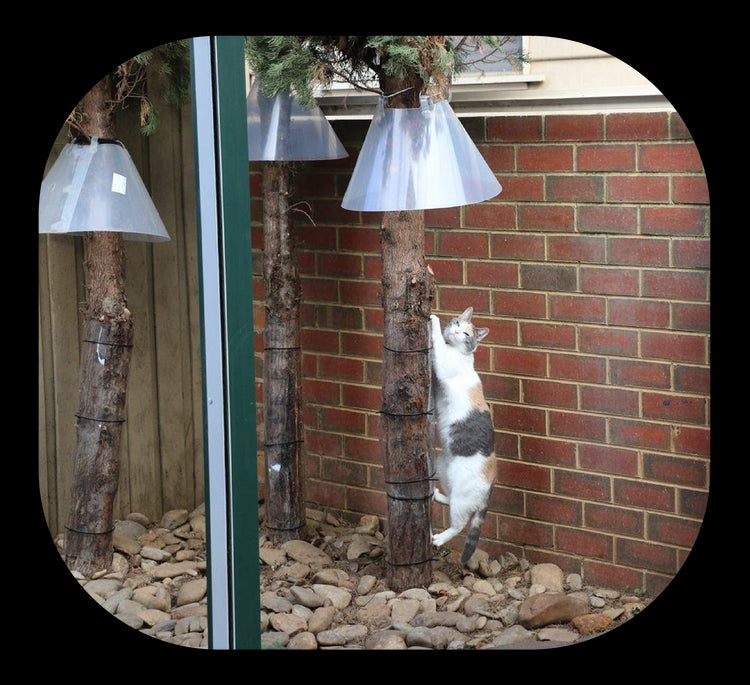
For keeping pets on large properties, specialized systems like our Oscillot® Cat-Proof Tree Guards and fence toppers can provide effective solutions without increasing the overall fence height. These systems prevent cats from climbing over existing fences of standard heights, eliminating the need for taller boundaries that might require special approval. The rotating paddle system creates a barrier for cats trying to climb while keeping the fence at its legal height. This approach is especially valuable in European neighborhoods where maintaining visual openness is important but pet containment is essential for safety.

Oscillot® Solutions for European Property Lines
At Oscillot®, we understand the special challenges faced by European property owners when choosing the right fence heights for large properties. Our specialized fence systems are designed to work within the rules of EU countries while providing effective solutions for keeping pets in and defining property lines. Our engineering team developed these systems specifically with European regulations in mind, creating solutions that make existing fences work better without breaking height restrictions.
Our cat fence systems come in various sizes to fit different property dimensions, from small city gardens to large country estates. These systems can be installed on existing fences of standard heights (1-2 meters), effectively keeping cats in without requiring taller fences that might break local rules. The rotating paddle design creates a barrier cats can't climb over while keeping the fence's original height from both the owner's and neighbor's view, ensuring it follows rules while working better.
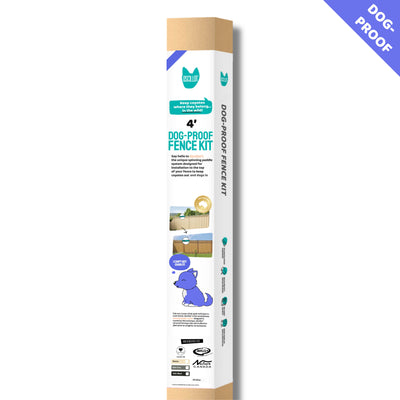
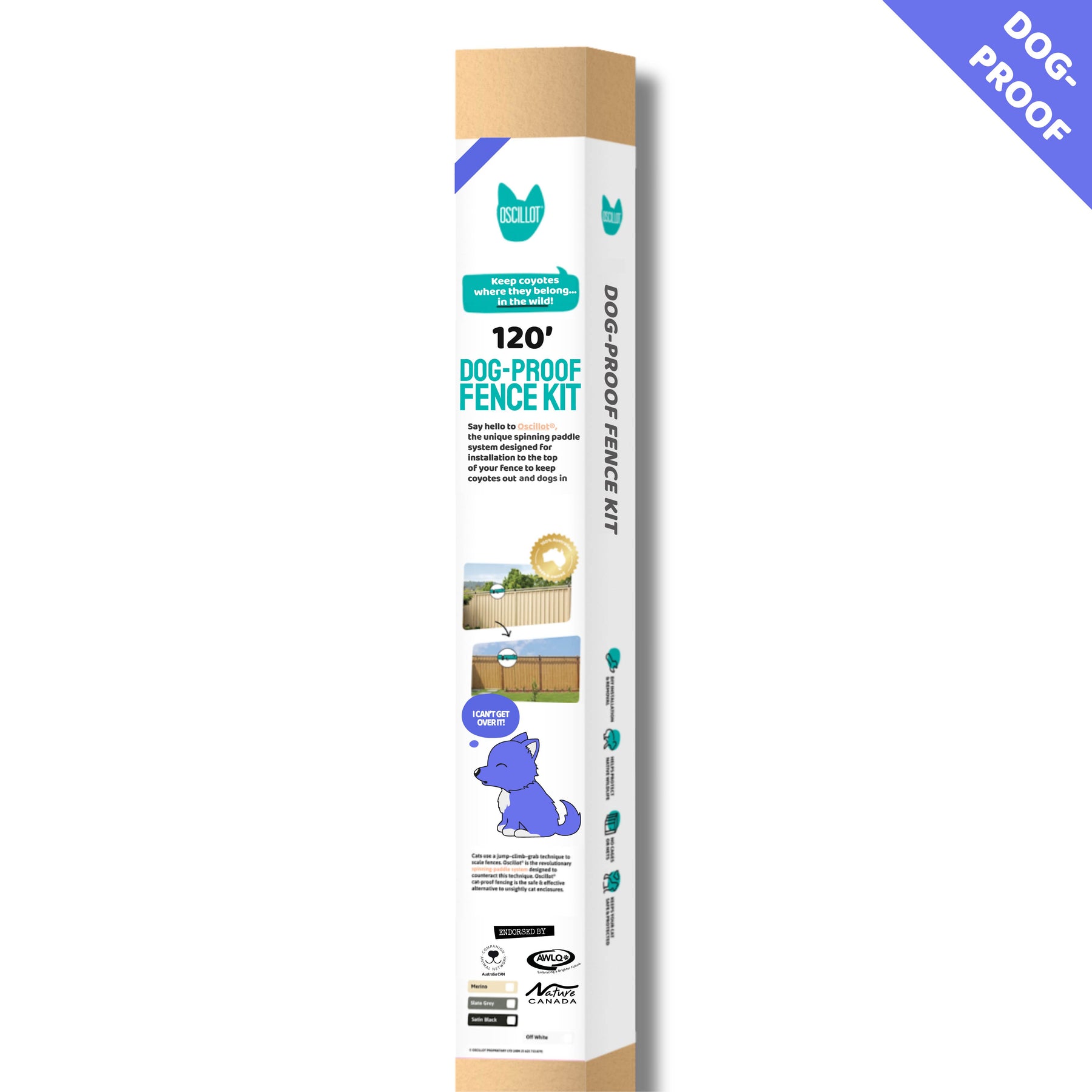
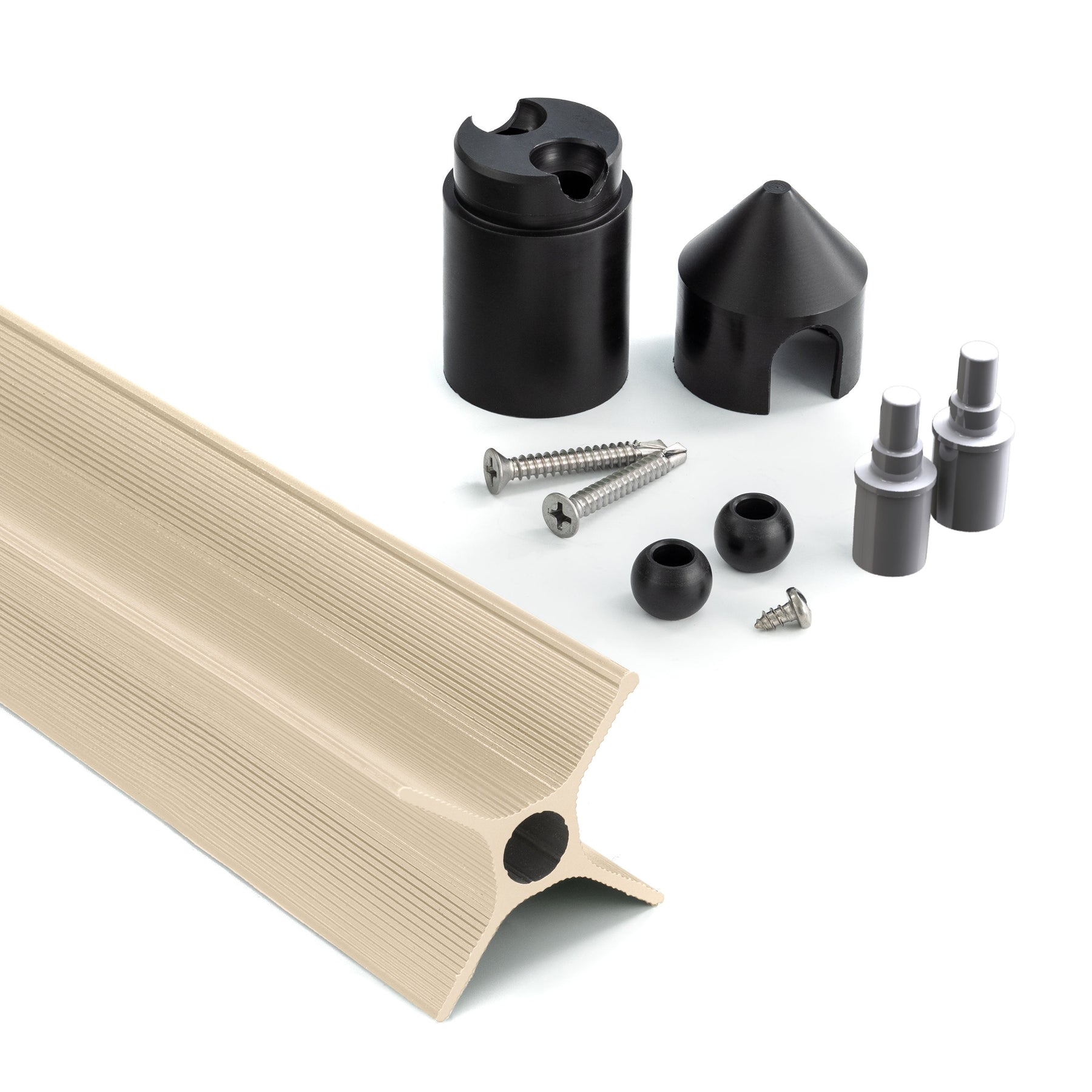
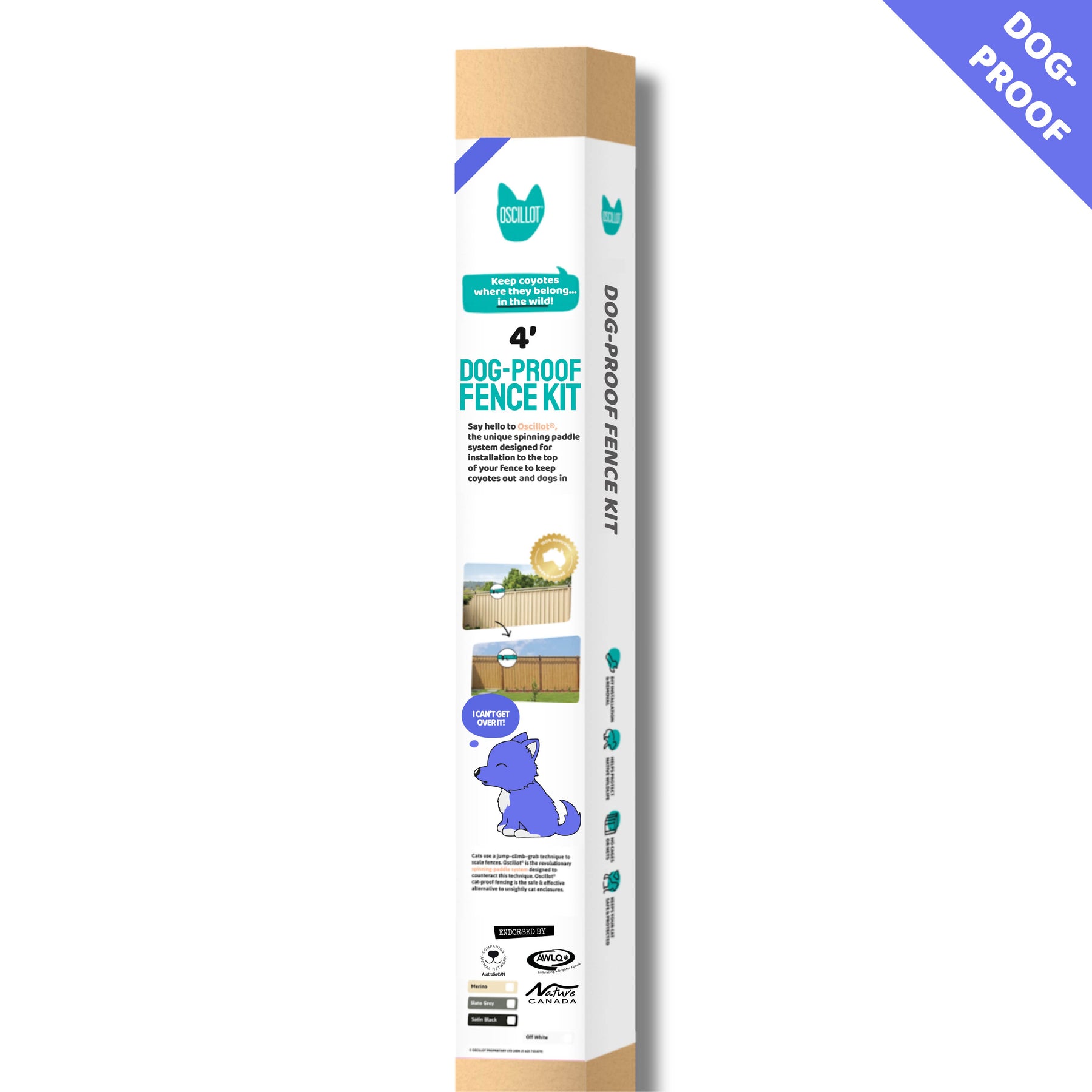
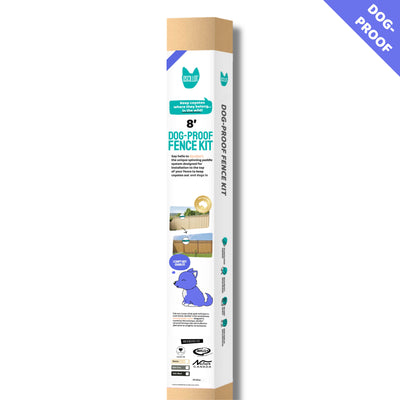
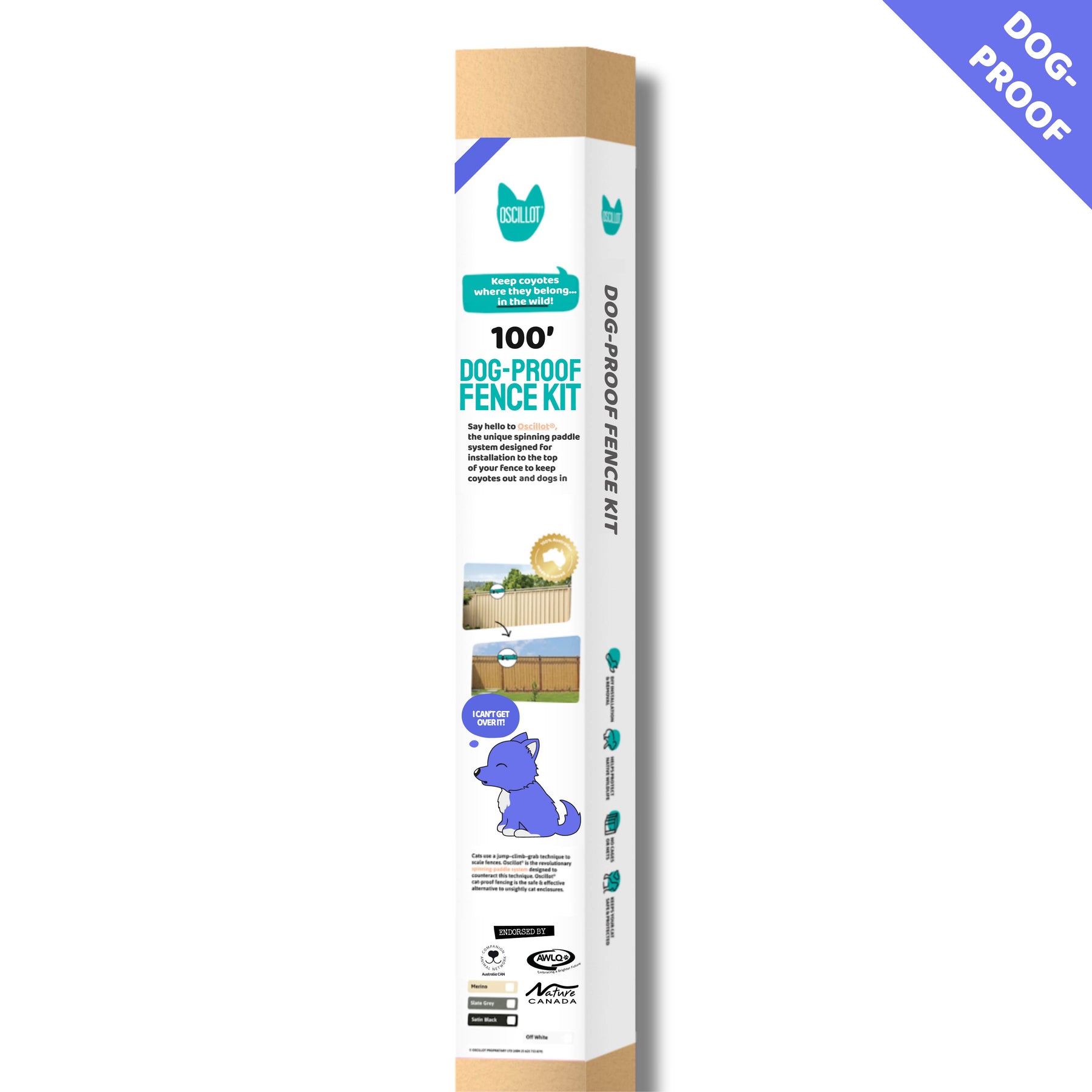
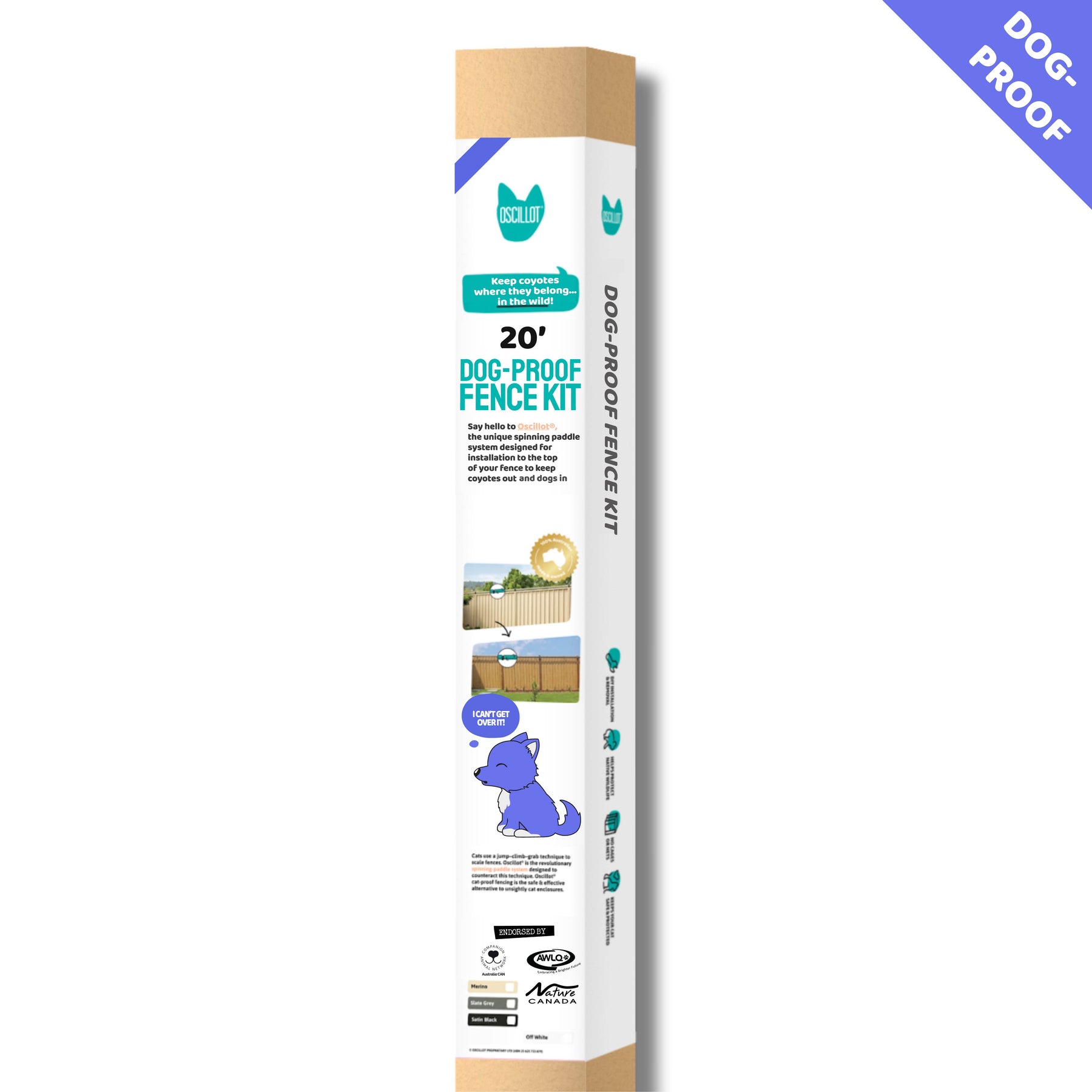
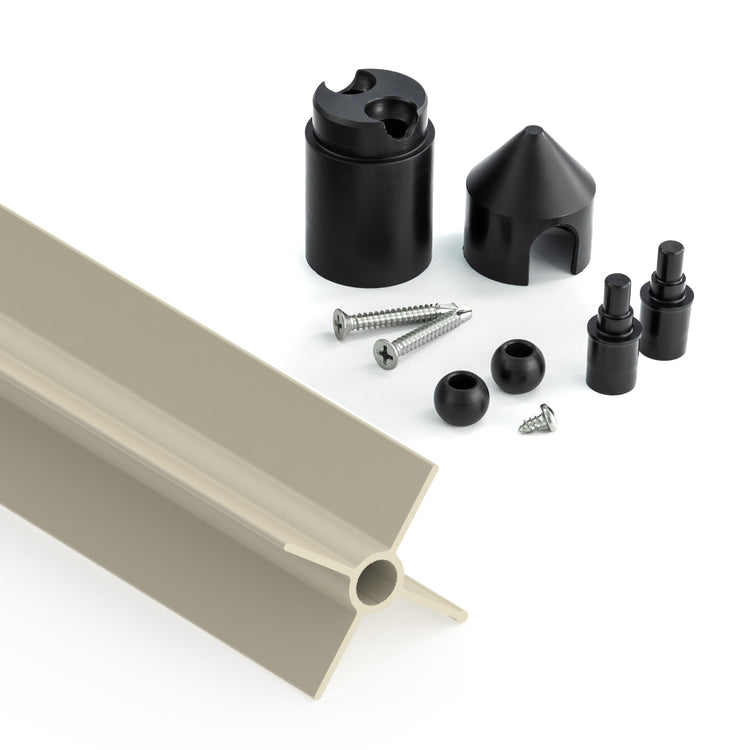
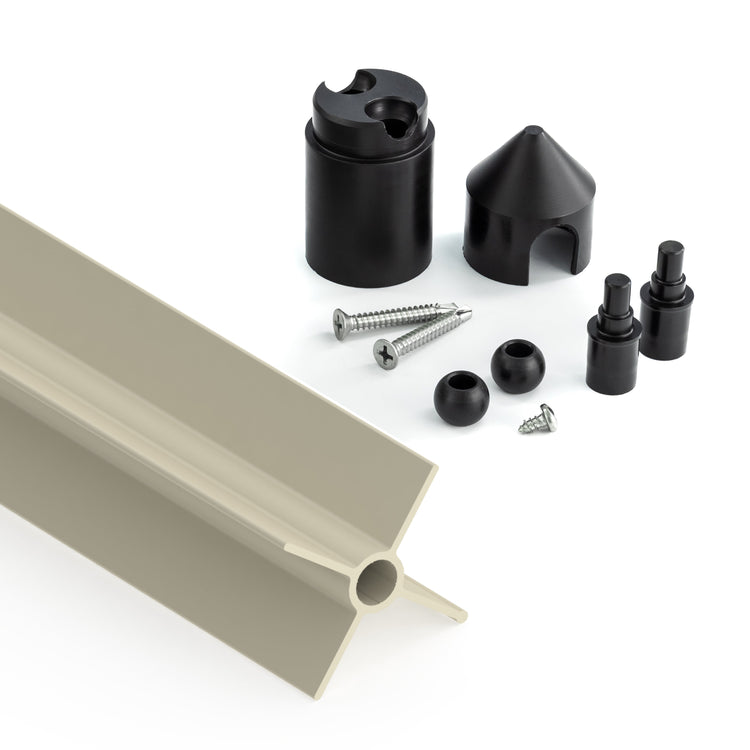
For properties with dogs, our dog-proof fence kits offer stronger solutions designed to prevent jumping and digging. These systems work with existing fence heights while improving security through smart design rather than excessive height. This approach allows European property owners to keep their fences at legal heights while effectively containing larger pets. Our specialized components can be used with various fence materials common throughout Europe, from traditional wrought iron in southern regions to composite panels popular in northern countries, providing versatile solutions for different property types.

Conclusion: Finding the Right Balance for Your European Property
Choosing the right fence height for large property lines in the European Union means balancing rules, practical needs, and cultural considerations. While specific regulations vary across EU countries, the general approach favors lower, more open boundaries that keep community connection while still clearly marking property lines. This European view of property boundaries comes from centuries of shared community development and continues to shape modern rules across the continent.
For European property owners who want to keep their pets safe, specialized systems like our Oscillot® fence kits offer practical alternatives to very tall fences. These systems work with existing fences of standard heights, effectively containing pets without needing exceptions to the rules or special permits. By making regulation-compliant fences work better rather than replacing them with taller alternatives, these solutions respect both the letter and spirit of European boundary regulations while meeting modern security needs.
When planning your property boundaries, consider checking with local officials about specific height restrictions in your area. Remember that front yard boundaries typically have stricter limits than side or rear boundaries, and properties in special zones may have additional requirements. By understanding these factors and exploring creative solutions, you can create effective property boundaries that meet your needs while respecting European rules and cultural preferences. This balanced approach ensures your property stays both compliant and functional, keeping neighborhood appearance nice while addressing practical concerns.
For more information about our products or to discuss specific requirements for your European property, please contact our team. We're committed to helping property owners across the EU create safe, secure environments for their pets while maintaining attractive boundaries that comply with local regulations.