


Eco-Friendly Cat Enclosures in Europe: Materials, Design Ideas, and Safe Outdoor Freedom for Your Cat

European cat guardians are increasingly looking for ways to give their cats safe outdoor freedom without harming wildlife or the environment, and 73% of EU citizens now say a product’s environmental impact is very or fairly important when they buy.
In this guide, we explain how eco-friendly materials and sustainable design principles work in modern European cat enclosures, using our Oscillot® rotating paddle systems as practical, real-world examples.
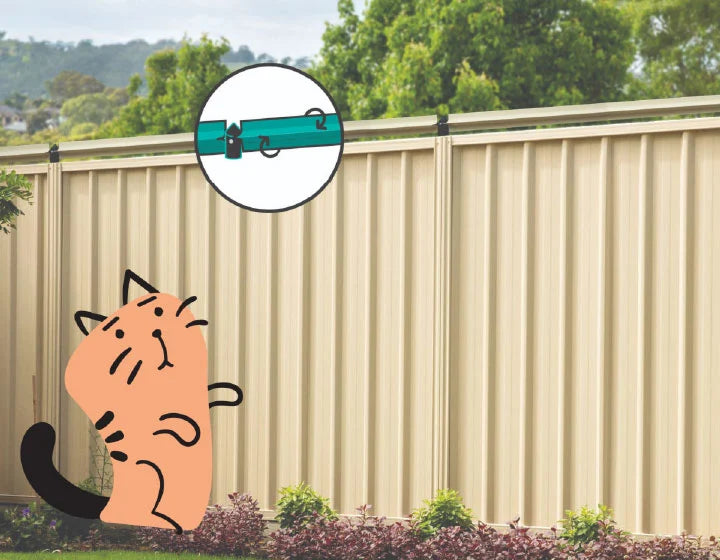
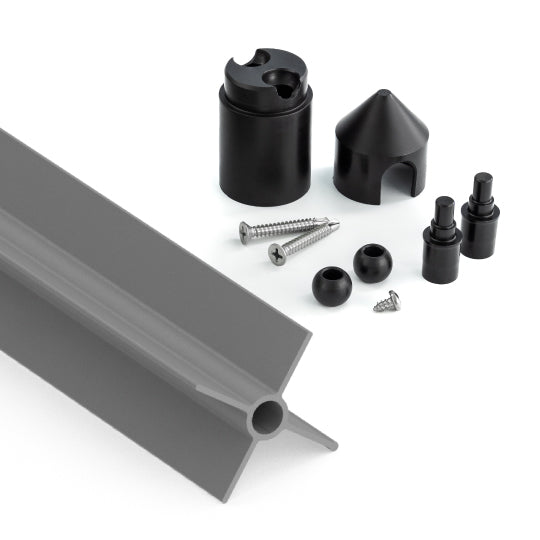
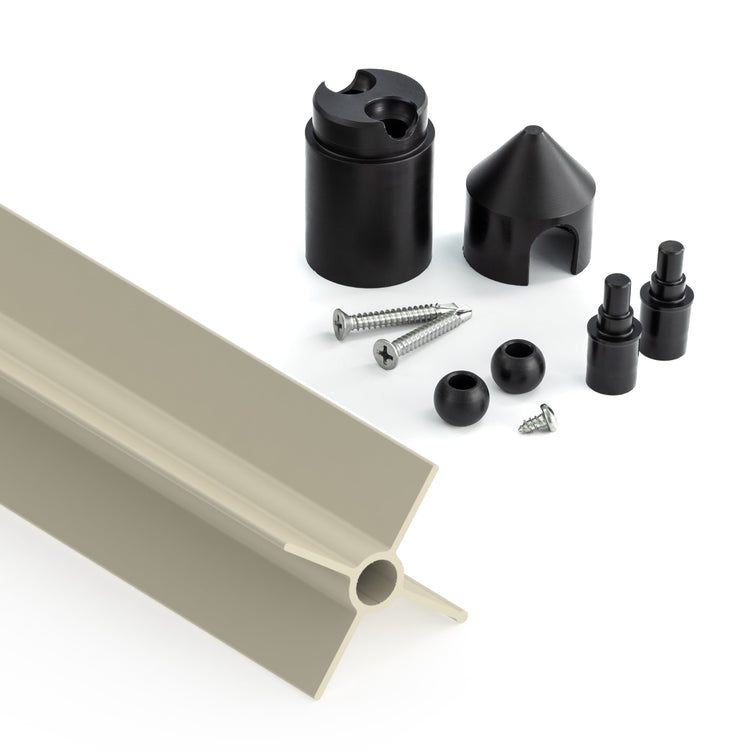
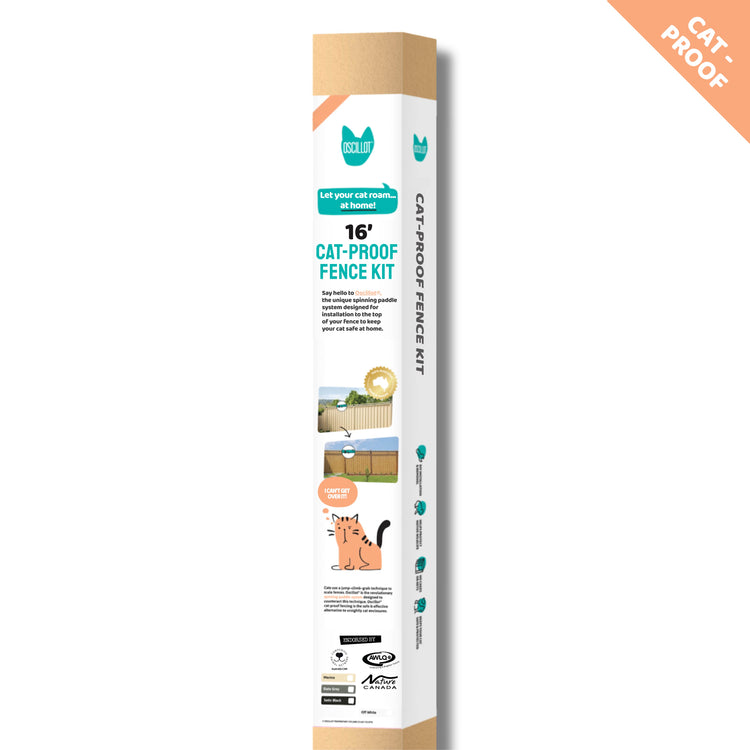
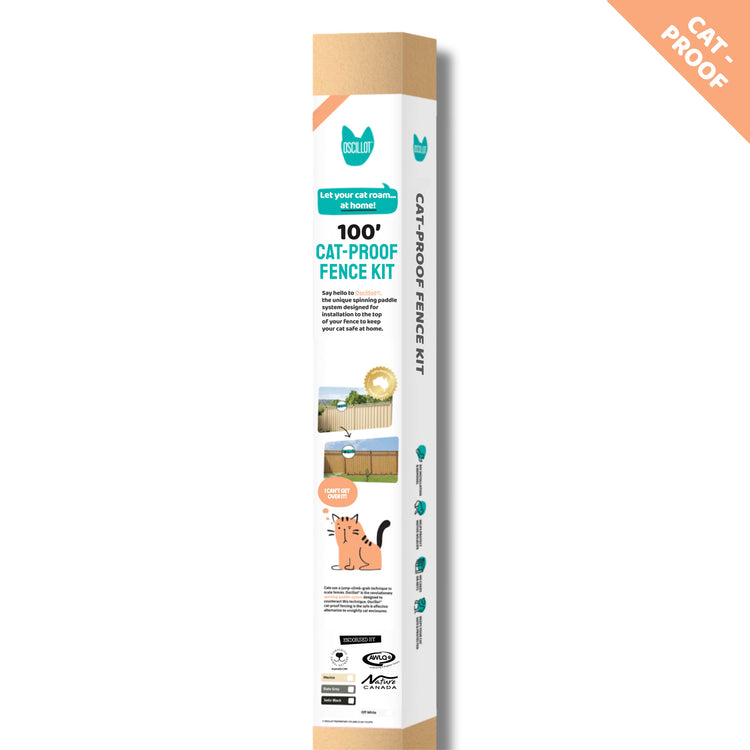
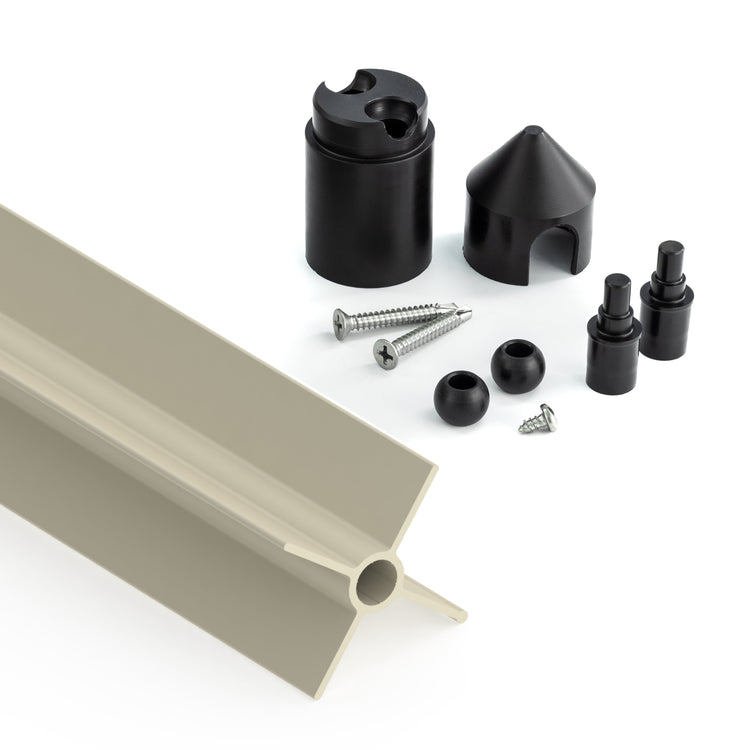
The 24.8m Cat-Proof Fence Kit is priced around €680.00, which illustrates how a single well-sized kit can provide extensive coverage with one coordinated set of components.
For very large gardens or shared boundaries, the 92.9m Cat-Proof Fence Kit offers extended perimeter coverage with the same discreet, low-visual-profile paddles.
By choosing the closest kit length to your real fence measurements, you reduce surplus components, packaging, and shipping.


Key Takeaways
| Question | Short Answer |
|---|---|
| What makes a cat enclosure eco-friendly in Europe? | Using durable, long-life materials, minimal visual impact, and designs that protect native wildlife while keeping your cat safe. Our EU-made systems are designed for extended outdoor lifespan with low maintenance, as seen in our cat-proof fence kits. |
| Are long-lasting materials more sustainable than “green-looking” ones? | Yes. Materials that last many years reduce waste and replacement needs. Our aluminum paddles and UV-stabilised components are built for long-term outdoor use and are featured in kits like the 24.8m Cat-Proof Fence Kit. |
| Can I make my existing fence sustainably cat-proof? | In most cases yes. Our EU-manufactured systems adapt to metal, timber, vinyl, and masonry, as outlined in our 31m Cat-Proof Fence Kit description. |
| How do I calculate the most material-efficient setup? | Measure accurately and avoid over-buying components by using planning tools such as our Cat Fence Calculator, which helps reduce waste and cost. |
| Is DIY installation compatible with sustainable design? | Yes. DIY reduces extra travel and labour emissions. Our systems are designed for easy self-installation using the step-by-step installation guide. |
| Can eco-friendly enclosures protect wildlife too? | Absolutely. By keeping your cat safely contained you reduce hunting pressure on birds and small mammals, which is a key environmental benefit of contained outdoor access. |
| Where can I see all containment options? | You can browse both cat and dog systems, all made in the EU, in our main collections overview. |
1. Why Sustainable Cat Enclosures Matter in Modern European Homes
Across Europe, interest in cat enclosures and balcony systems is rising quickly, with the cat balcony enclosure market growing at a projected 7.9% CAGR through 2033. At the same time, more cat guardians are asking if the materials around their pets are safe, durable, and responsible, not just convenient or cheap. From our perspective, a sustainable cat enclosure achieves three things at once. It keeps your cat safe at home, it protects local wildlife from hunting, and it uses materials and designs that minimise waste over the system’s full lifespan. For many households, this does not mean building a completely new structure. It usually means upgrading an existing fence or wall with a discreet, long-life system like Oscillot® that uses physics instead of nets, cages, or electricity to keep cats contained.2. Core Principles of Eco-Friendly Design in Cat Enclosures
Sustainable design is not just about one “green” material, it is about how all parts of the system work together over time. For outdoor cat enclosures in Europe, we focus on four core principles.- Longevity and durability so components do not need frequent replacement.
- Modularity so you only install what you need and can extend later without waste.
- Compatibility with existing structures to avoid tearing down functioning fences or walls.
- Humane operation, with no nets, cages, or electric currents that could harm your cat or other wildlife.
3. Sustainable Material Choices: Aluminum, Polymers, and Long-Life Components
In European climates, from coastal rain to alpine snow, the real environmental benefit comes from materials that continue to perform year after year. Aluminum and high-quality, UV-stabilised polymers are central to this. Aluminum is corrosion resistant, lightweight, and fully recyclable at the end of its life. It stands up well to moisture and temperature changes, which is essential for perimeter systems that remain outdoors all year. Our polymer components are designed to resist UV damage and brittleness, which means fewer cracks, breaks, and replacements over time. This combination of durable metal and engineered polymers creates a low-maintenance system that you install once and rely on for the long term.
4. EU-Manufactured Systems and Reduced Environmental Footprint
Local production and quality control
Our cat and dog fence kits are engineered in Australia and manufactured to the highest standards in the European Union. This regional production helps shorten transport distances for European customers, which supports a lower overall footprint compared with systems shipped across continents. EU manufacturing also means strict oversight of material quality and consistency. That reliability is important for sustainability because a system that performs as expected for many years avoids wasteful trial and error.Example: 31m Cat-Proof Fence Kit for larger gardens
The 31m Cat-Proof Fence Kit is a good example of EU-made quality applied to long perimeter runs, with a typical price of €680.00 for substantial coverage. It is designed to adapt to metal, timber, vinyl, and masonry fences, which means you can usually keep your existing boundary in place rather than replacing it with a completely new structure. This re-use of existing infrastructure is one of the simplest ways to reduce the material impact of a new enclosure.Did You Know?
60% of EU consumers have bought products specifically because of their lower environmental impact, which means eco-friendly materials in cat enclosures are no longer a niche preference but a mainstream expectation.
5. Modular Kits: Using Only What You Need, From 1m to 92.9m
An important part of sustainable design is avoiding over-building. We offer modular kit lengths so you can match the system closely to your actual fence line and avoid unnecessary components.| Kit | Approx. Length | Best For | Example Eco Benefit |
|---|---|---|---|
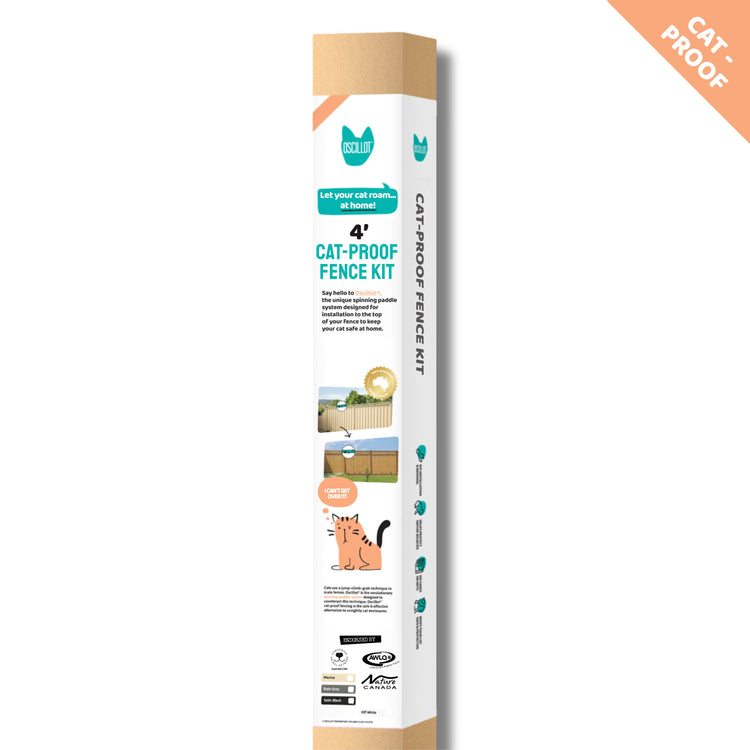
| 1m Cat-Proof Fence Kit | 1 metre | Gaps, side returns, small balcony edges | Targets only escape points instead of enclosing whole yards. |
| 5m Cat-Proof Fence Kit | 5 metres | Townhouse yards, compact gardens | Uses fewer paddles and posts for tight urban spaces. |
| 24.8m Cat-Proof Fence Kit | 24.8 metres | Mid-size gardens, semi-detached homes | Single kit reduces packaging compared with multiple small sets. |
| 31m Cat-Proof Fence Kit | 31 metres | Larger suburban gardens | Coverage for long runs without over-buying. |
| 92.9m Cat-Proof Fence Kit | 92.9 metres | Very large properties, multiple sides | Efficient for long perimeters, fewer partial shipments. |
6. Working With Existing Fences: Metal, Timber, Vinyl, and Masonry
One of the most sustainable decisions you can make for a cat enclosure is to keep your current fence, if it is safe and structurally sound. Our systems are designed to mount on a wide range of boundaries commonly found in European properties.Metal fences
Metal fences often provide excellent stability for Oscillot® paddles with direct mounting and minimal additional hardware. This reduces the need for extra bracing materials and can keep the total material footprint lower.Timber and vinyl fencing
Timber and vinyl fences are very common in European gardens, and our kits, such as the 24.8m option, include dual knuckle post kits that attach securely to wooden structures without compromising their integrity. Careful mounting avoids damaging the fence, which supports the fence’s own lifespan.Brick and masonry walls
In many European cities, brick and masonry walls define property lines. Our systems use specialised mounting for these walls, which lets you add a cat containment function to a boundary that might already have stood for decades, without rebuilding it.
7. Compact and Urban-Friendly: Small Kits for Balconies and Courtyards
Not every European household has a large garden, and sustainable design needs to work just as well on a small balcony as it does on a country property. Our smallest kits are specifically suited to compact spaces and selective containment.1m and 5m Cat-Proof Fence Kits
The 1m Cat-Proof Fence Kit is ideal for short sections, such as a gateway, a corner return, or the edge of a balcony barrier. The 5m Cat-Proof Fence Kit provides a compact but robust solution for urban yards, roof terraces, or smaller side gardens, with a modular design that keeps installation straightforward. These smaller kits avoid the waste of buying a large system for only a few critical escape points, which is an important aspect of eco-conscious planning.Did You Know?
54% of European cat furniture buyers prefer sustainable, recyclable materials, which aligns closely with the shift toward long-life, modular cat enclosures that minimise waste.
8. Dog-Friendly and Multi-Pet Enclosures with the Same Sustainable Logic
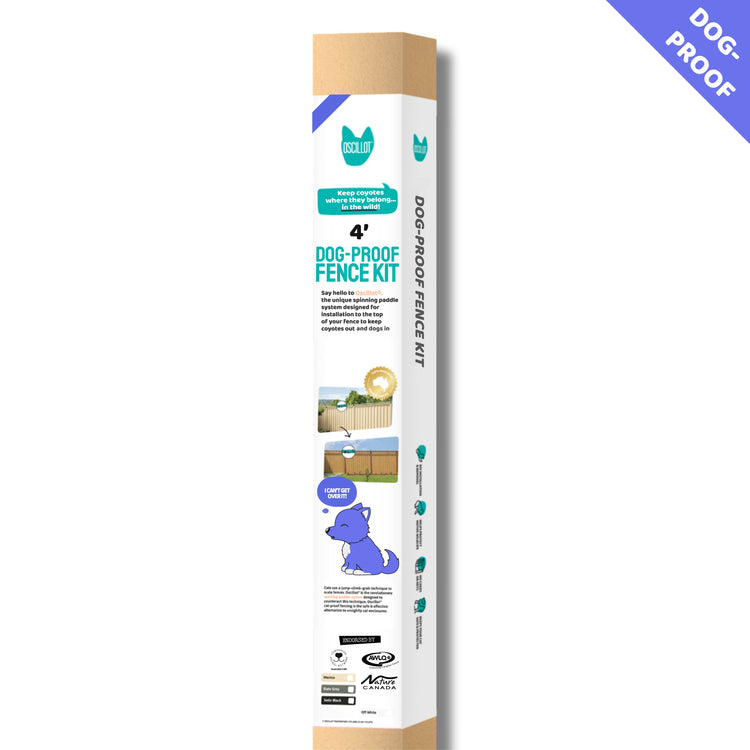
Many European homes share outdoor spaces between cats and dogs, which means containment systems must work for both. Our dog-proof fence kits use the same top-mounted paddle concept, adapted for canine behaviour, and use the same durable, weather-resistant materials.1m and 2.5m Dog-Proof Fence Kits
The 1m Dog-Proof Fence Kit is designed for small perimeters and tight spaces, such as balcony edges or single gates where dogs might climb or jump. The 2.5m Dog-Proof Fence Kit uses corrosion-resistant aluminum components for mid-sized urban yards, giving dogs safe boundaries while maintaining a low visual impact. From a sustainability perspective, using a single, modular technology for both cats and dogs simplifies maintenance and reduces the need for multiple different systems around the same property.9. Aesthetic and Wildlife-Friendly Design in European Neighbourhoods
Sustainable cat enclosures also need to respect neighbours and the character of European streetscapes. Our paddle systems are designed to sit discreetly on top of fences and walls, with a slim profile that blends into most architectural styles. From a wildlife perspective, keeping your cat safely contained greatly reduces the predation of birds and small mammals in your local area. This supports biodiversity, which is an important environmental goal in many European countries. Because we use no nets or cages, other animals do not become trapped in the system. There are also no electric currents or painful deterrents that could injure your cat or visiting wildlife, which keeps the design both humane and neighbour friendly.10. Planning an Eco-Friendly Cat Enclosure: Practical Steps
Designing a sustainable cat enclosure in Europe starts with accurate planning and honest assessment of your space. You do not need to over-complicate the process, but a few simple steps will keep the project efficient and material smart.- Measure your fence line carefully so you can choose the closest kit length and avoid surplus components.
- Identify genuine escape points instead of enclosing every side where containment is not needed.
- Check your existing fence condition so you can repair instead of replace where possible.
- Consider local weather patterns and choose materials that have proven performance in your climate.
- Plan a DIY installation if you can, because this often reduces transport and extra visits from external installers.