


Garden Companion Ideas: 21 Pet‑Friendly Plants You Can Safely Grow Inside Your Oscillot Containment Zone in Europe

Keeping dogs and cats safely inside an Oscillot® containment zone does not mean giving up on a lush garden, and with 66% of households owning a pet, more people across Europe are looking for ways to combine secure fencing with pet‑safe greenery.




Key Takeaways
| Question | Answer |
|---|---|
| What is an Oscillot containment zone? | It is your yard or terrace enclosed with Oscillot® cat or dog fence rollers, such as the 92.9 Metre Cat-Proof Fence Kit, that stops pets climbing over fences while allowing open sky and fresh air. |
| Can I grow plants right next to an Oscillot system? | Yes, as long as plants do not grow high enough to give pets a “launch pad” to the top of the fence or rollers and you leave clearance for the paddles to spin, which you can confirm using the Installation Guide. |
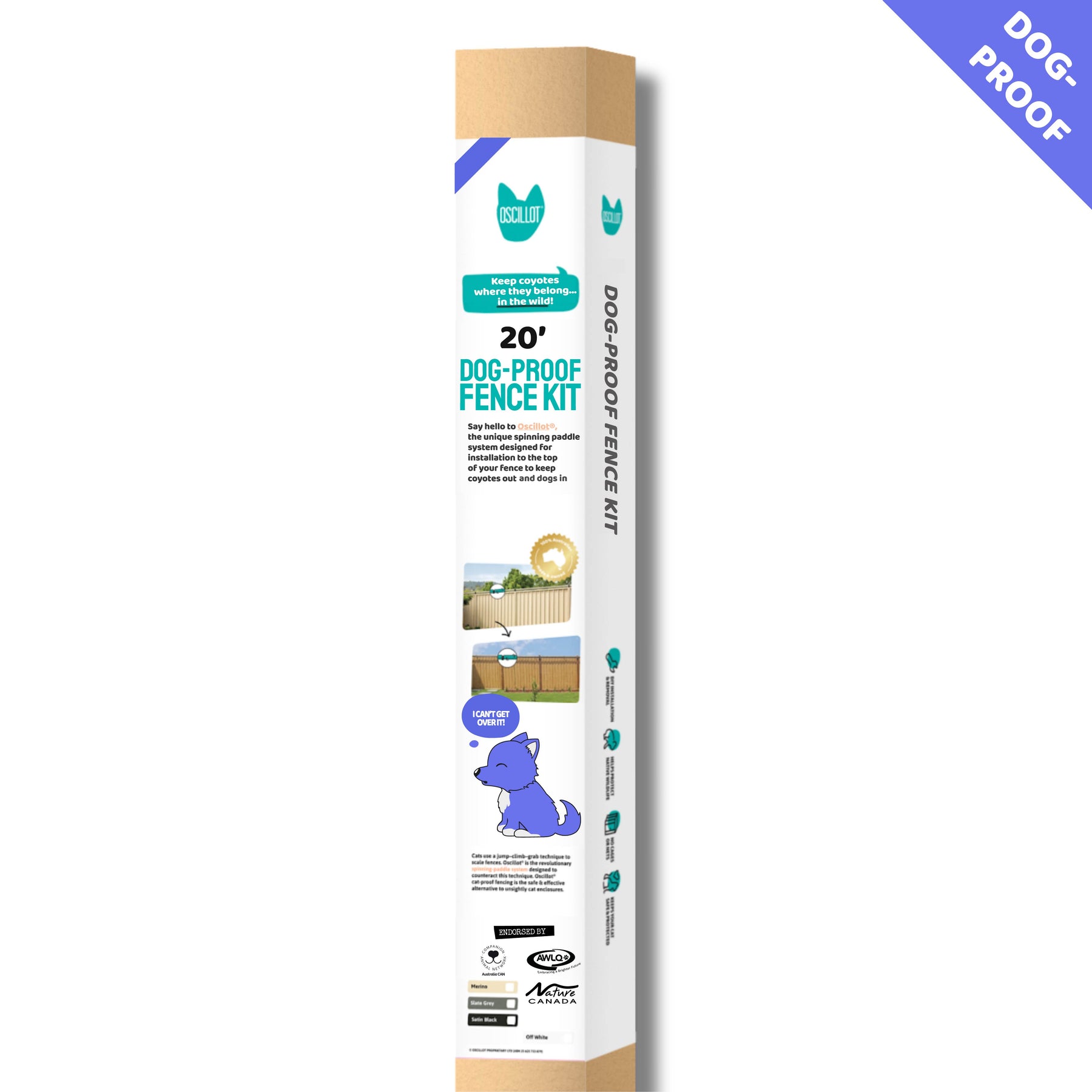
| Which pets should I plan for in my garden companion space? | Most European Oscillot users keep cats and dogs, so we focus on species‑safe plants and layout that work whether you install a 62 Metre Dog-Proof Fence Kit or a cat‑only configuration. |
| How do I know how much fencing I need around my pet‑friendly garden? | You can measure the perimeter of your garden area and check it against the yard guidance on How to Measure Your Yard to match plant beds with the right kit length. |
| Is there a tool to help design cat‑safe garden zones? | You can use the layout ideas from this guide and then plug your fence measurements into the Cat Fence Calculator to work out how many paddles and posts will protect your plant area. |
| Can I see real installations with greenery? | You can browse visual inspiration and note where people place shrubs and pots in relation to the rollers in the Oscillot Gallery. |
Designing a Pet‑Safe Garden Inside an Oscillot Containment Zone in Europe
We see more European pet guardians turning their Oscillot‑protected yards into “garden companions”, where secure fencing and greenery work together. Your first step is to think of the entire fenced area as a single ecosystem that must stay safe for curious cats and energetic dogs. Within an Oscillot containment zone, the fence itself is already doing the heavy lifting. Oscillot® kits are designed for fences at least 1.8 metres high so pets cannot gain traction, which lets you place beds, planters, and even small shrubs beneath with confidence.- Keep tall shrubs at least 1 metre away from the fence line so they do not act as ladders.
- Choose only non‑toxic plants for cats and dogs, especially where they can chew leaves.
- Use raised beds or pots to protect delicate roots from digging dogs.
- Plan shady retreats and open play areas to reduce fence‑testing behaviour.
Choosing Pet‑Friendly Plants for European Climates
Across Europe, climate zones vary from Mediterranean balconies in Spain to cool, damp gardens in Ireland, so plant choice must consider both weather and pet safety. We recommend starting with hardy, non‑toxic species that tolerate a bit of paw traffic and occasional nibbling.Core pet‑safe favourites for cats and dogs
- Catnip (Nepeta cataria), ideal for cat‑only zones, in raised pots away from fence tops.
- Cat grass (Dactylis glomerata or oat grass), great in planters that dogs cannot overturn.
- Thyme, basil, and rosemary, most culinary herbs (avoid large amounts of rosemary for very sensitive pets).
- Lavender (Lavandula angustifolia), used sparingly, is generally considered low‑risk and deters some insects.
- Marigolds (Calendula officinalis), not Tagetes, bring colour and are widely used in pet gardens.
Simple comparison for common European garden plants
| Plant | Suitability in Oscillot zone | Notes |
|---|---|---|
| Catnip | Excellent for cats | Keep away from fence top, cats may climb towards it. |
| Lavender | Good for most pets | Plant 0.5–1 m from fence to avoid ladder effect. |
| Roses | Use with care | Thorns can injure eyes and paws, best in protected beds. |
Planning Fence Lines, Beds, and Pathways Around Oscillot
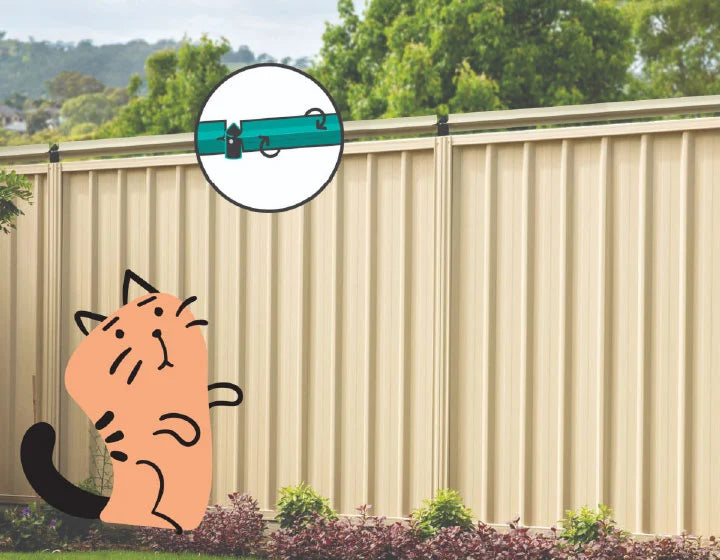
Once you know which plants you want, you can plan where they sit relative to your cat or dog‑proof fence kit. Oscillot® paddles need a clear run along the top of a 1.8 metre fence so nothing should touch or lean on them, including branches or trellised vines. We suggest keeping a “no‑climb corridor” directly under the fence line. This corridor might be 50 to 80 centimetres wide and filled with low, ground‑cover plants, gravel, or lawn where pets can patrol safely without gaining height.Using different kit lengths to frame garden zones
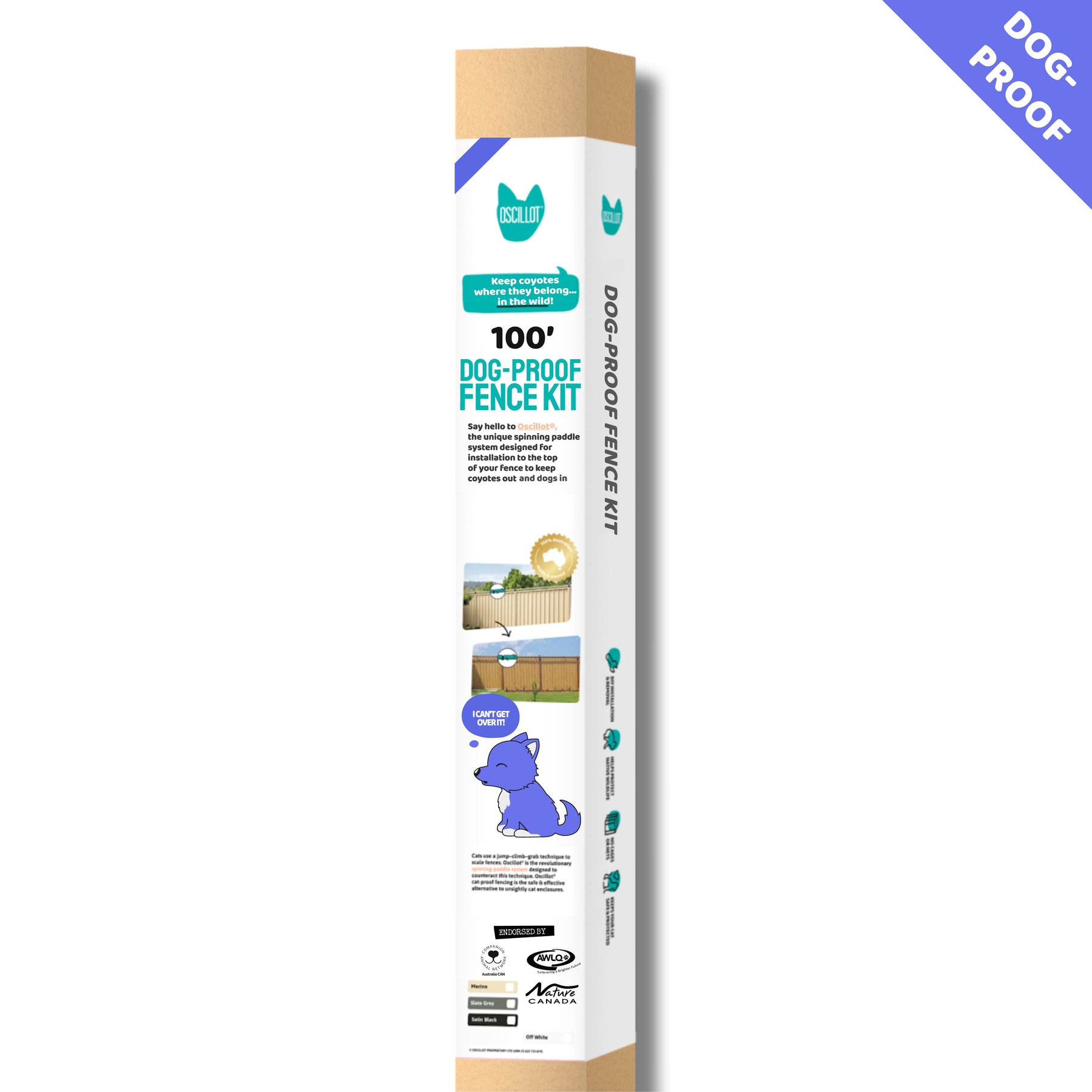
If you have a compact European terrace or courtyard, a shorter kit like the 6.2 Metre Dog-Proof Fence Kit can secure a single side or a small dog run that borders a herb bed. For long, plant‑rich perimeters, longer kits such as the 37.2 or 92.9 metre options let you wrap the entire garden so you can divide inside space into play, rest, and planting areas.
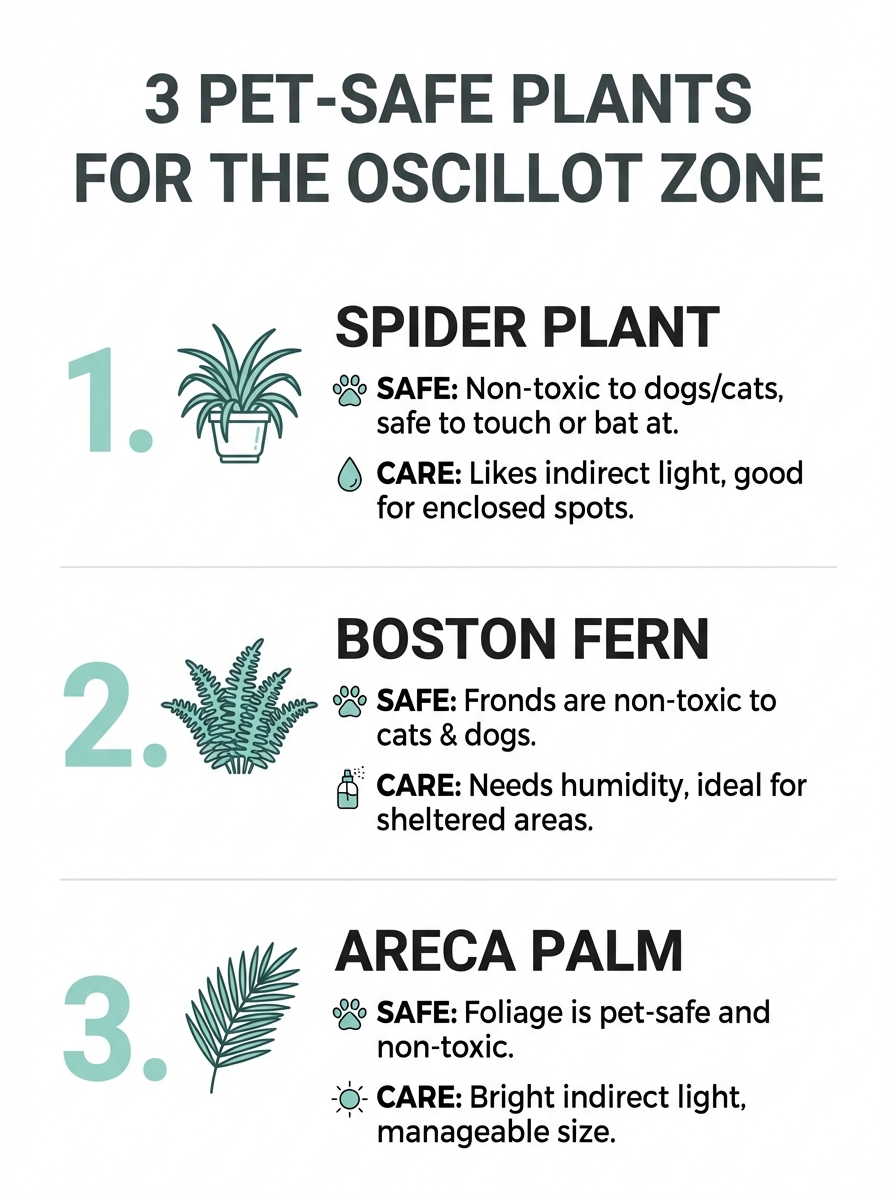
Three pet-safe plants for your Oscillot containment zone are showcased here. Learn quick tips on selection and placement to create a pet-friendly indoor garden.
Cat‑Friendly Garden Companion Plants Inside a Cat‑Proof Zone
For strictly feline households in Europe, your Oscillot cat‑proof fence kit gives you a secure envelope so you can focus on enriching the environment. Cats enjoy vertical interest and scent, but we must avoid giving them shortcuts to the fence top or exposure to toxic plants.Reliable cat‑safe choices
- Cat thyme (Teucrium marum), a lower‑growing aromatic that can be planted away from the fence line.
- Valerian (Valeriana officinalis), many cats love the scent, so use in stable beds or large pots.
- Spider plant (Chlorophytum comosum), ideal in hanging baskets in sheltered corners of your yard.
- Strawberries, fun for humans and generally cat‑safe, best in raised trough planters.
Working with Oscillot cat kits in European yards
Our cat‑proof fence kits, such as the shorter 2.5 Metre Cat-Proof Fence Kit (DIY), are suited to small inner‑city gardens where pots and narrow beds replace full lawns. You can ring these compact spaces with rollers and then fill the centre with low, chew‑safe plants and sand or grass for sunbathing.
Did You Know?
70% of Gen Z pet owners have two or more pets, so multi-cat households especially benefit from secure Oscillot zones filled with safe plants to reduce boredom and escape attempts.
Dog‑Friendly Green Zones Within Dog‑Proof Fencing
Dogs tend to run, dig, and trample, so the garden inside a dog‑proof Oscillot zone must be robust and forgiving. Our dog‑proof fence kits let you contain even large breeds along the perimeter while you shape the interior as a dog‑friendly park.Hardy dog‑safe plants for European yards
- Hard‑wearing lawn grasses, such as ryegrass or fescue blends, for chase games.
- Dog‑safe shrubs like hazel or hawthorn hedges, planted well away from the fence line.
- Sunflower beds, attractive and generally safe when seeds are not offered in excess.
- Herb corners with chamomile and parsley, both widely used in dog gardens.
Matching kit length to dog runs and planting belts
A larger perimeter often calls for a longer kit like the 92.9 Metre Dog-Proof Fence Kit (DIY), which can wrap around multiple dog zones and ornamental beds. You can also create a narrower dog run along one side of the garden using a 31 or 37.2 metre kit, keeping digging away from your main vegetable plot.
Multi‑Pet Households: Balancing Cat and Dog Needs in One Garden
Many European homes keep both cats and dogs, so the Oscillot containment zone must satisfy very different play and rest styles. In these yards, the plant palette should assume that both species will explore, chew, and occasionally dig.Layout ideas for mixed‑species gardens
You can keep a low‑plant “dog track” along the inside of the fence so dogs burn energy there while cats use raised platforms closer to the house. In the centre, a shared garden island with tough, non‑toxic shrubs and herb borders gives enrichment without compromising escape security.Using measurement and calculators to get the design right
For complex, shared spaces, we recommend carefully mapping each side of the fence according to our How to Measure Your Yard guidance, then using the cat‑fence calculator to select kit combinations that fit your mixed garden and run layout. This planning stage helps ensure that pergolas, seating areas, and plant beds do not conflict with roller positions or create new escape routes.Soil, Containers, and Raised Beds for Pet‑Safe Planting
Inside an Oscillot containment zone, you can use the same soil mixes and raised‑bed systems you would in any European garden, but with extra attention to pet behaviour. Dogs may dig and cats may use loose soil as a litter box, so structure matters as much as plant type.Container ideas that work well with Oscillot
- Sturdy, heavy ceramic pots for shrubs, placed 0.5 to 1 metre from the fence to avoid laddering.
- Long trough planters for herbs and cat grass along house walls instead of the fence line.
- Raised wooden beds about 40 centimetres high to discourage casual digging.
Using accessories from your containment system
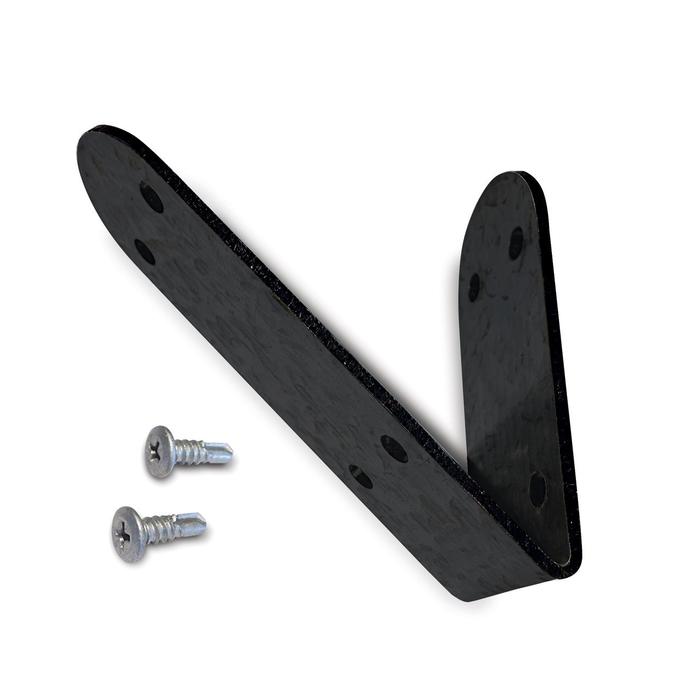
Hardware like posts and brackets, which you can preview in our components images on the Cat Fence Calculator page, can visually define where a garden bed ends and a pet run begins. Although these parts are designed for fencing, many customers in Europe tell us that the clear perimeter line helps them plan neat, contained beds on the inside.Installation, Maintenance, and Plant Growth Around Oscillot
Our fence rollers have been extensively tested when installed on 1.8 metre fences, and the same rules that keep them effective also shape how you manage plant growth nearby. Before planting, review the key points from our Installation Guide so you understand where posts, brackets, and paddles sit along the fence top.Maintenance habits that protect both plants and pets
- Prune shrubs and trees at least twice a year so branches cannot reach the rollers.
- Walk the fence line monthly to ensure climbers, pots, or furniture are not creating new launch points.
- Check that soil or mulch levels in beds have not risen high enough for pets to gain extra height.
Working with European seasons
In northern Europe, winter die‑back can reduce plant cover and tempt pets to jump from hard, frozen soil, while in Mediterranean zones vigorous summer growth can quickly bridge the gap to the fence top. We recommend scheduling garden checks at the start of spring and autumn to match these shifts in growth and ground conditions.Did You Know?
Cat- and dog-ownership patterns remain the two dominant pet household types, which is why we design Oscillot containment zones and garden companion guidance primarily around these species.
Enrichment: Using Plants to Reduce Boredom and Fence Testing
A well‑planted, pet‑safe garden inside your Oscillot perimeter does more than look attractive, it also keeps pets mentally and physically satisfied so they spend less time testing boundaries. In Europe, where many pets live in smaller urban gardens, enrichment can make the difference between a calm day and constant escape attempts.Plant‑based enrichment ideas
- Cat herb corners with catnip and valerian, rotated in pots so you can let areas recover.
- Fragrant dog herb beds with chamomile paths and low rosemary hedges, placed away from the fence.
- Edible planter boxes with strawberries or salad greens that humans and pets can share in moderation.
Integrating hardscape and foliage
Stepping stones, logs, and low platforms placed nearer the house give cats climbing options that do not threaten the fence line, while shaded pergolas support safe climbers like jasmine away from Oscillot paddles. By directing interest inward, you make the fence a background feature and your garden companion plants the real attraction.
European Case‑Style Inspirations for Garden Companions
Across Europe we see Oscillot systems used on a wide variety of fences, from timber in northern suburbs to rendered walls around Mediterranean villas. Each setting supports a slightly different plant palette but follows the same safety logic.Timber fence in a temperate climate
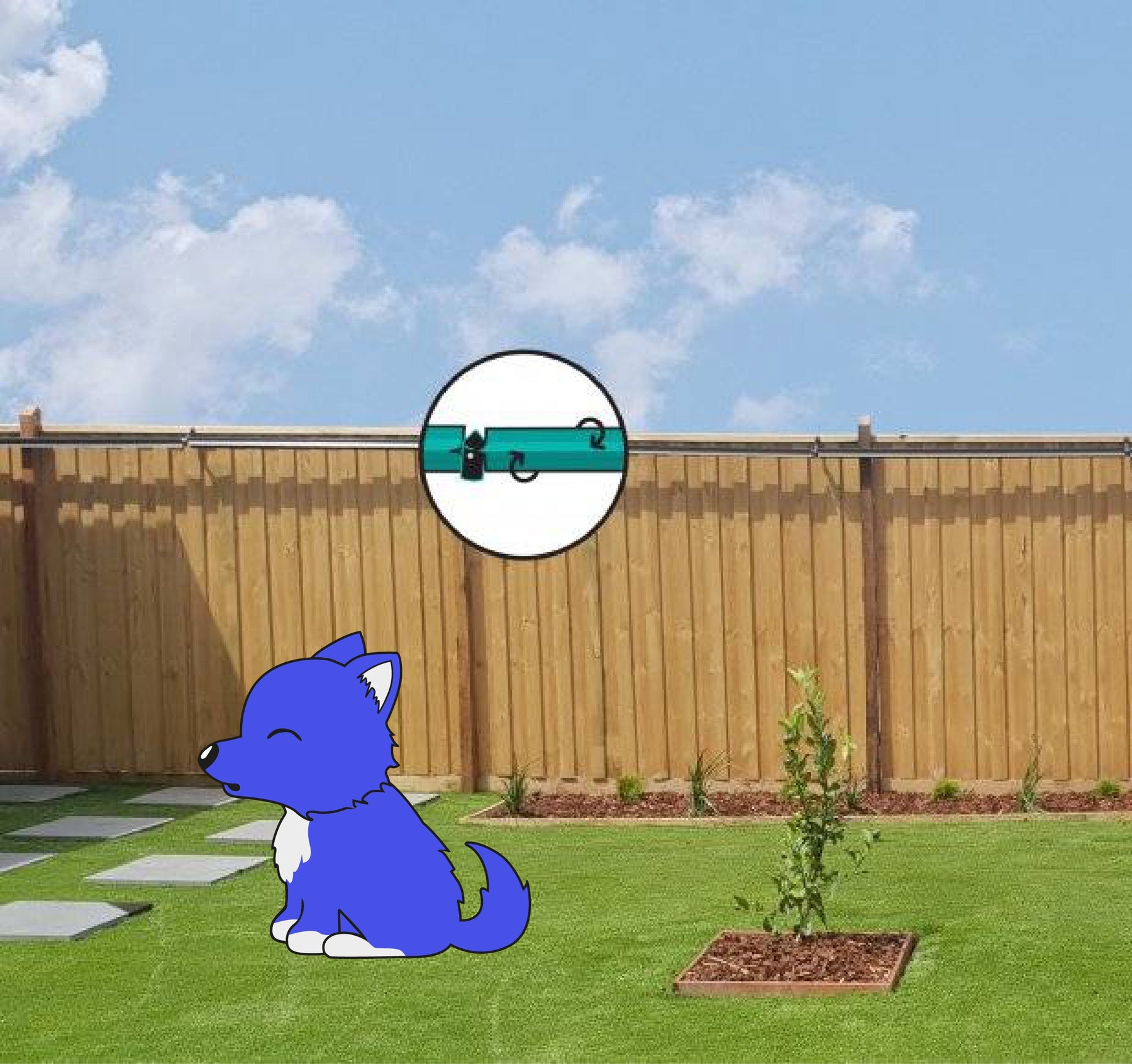
A slate‑grey Oscillot installation above a timber fence, as shown in our installation imagery, works well with ferns, hostas, and hydrangeas held back from the boundary by a narrow lawn strip. Cats can weave through the foliage while the rollers prevent them using fence posts as launch points.Rendered wall in a sunny southern garden
On high rendered walls in Spain, Italy, or southern France, install Oscillot paddles, then layer drought‑tolerant, pet‑safe plants like rosemary, rockrose, and thyme in terraced beds that stop at least a metre below the fence top. This layout combines Mediterranean style with secure containment for both cats and dogs who enjoy sunbathing.